

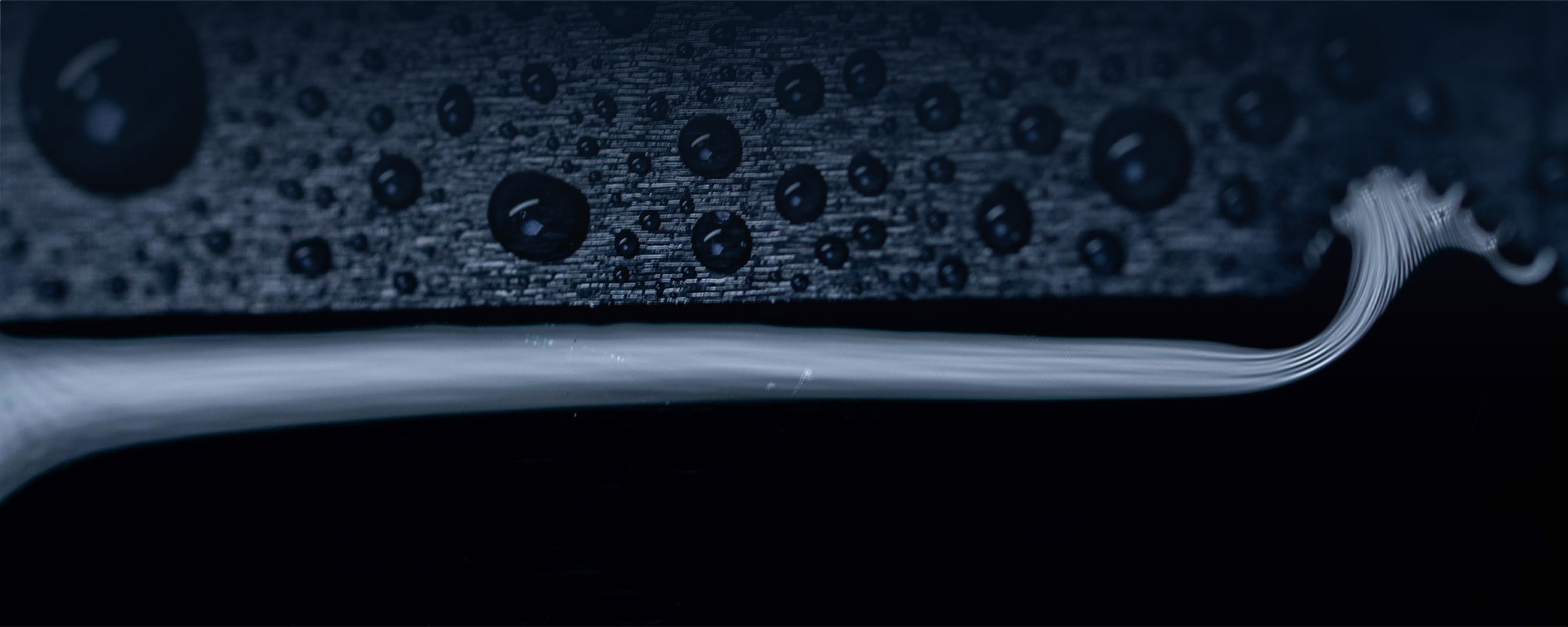
Optimal adhesion for flocking and laminationYour plasma solution for better adhesion
Reliably preparing surfaces and plastics that are difficult to bond for adhesive bonding processes
The challenge
Bonding plastic surfaces
In order to apply decorative materials to surfaces, these must be optimally prepared. For flocking and lamination, surfaces are sprayed with adhesive and then coated with flock or laminated with leather and fabric. The composition of modern plastic surfaces is making this process increasingly difficult. Common materials such as PP with talc as a filler or with glass fibre reinforcement, as well as plastics containing recycled materials, have very low surface energy. In sectors such as the automotive industry, the use of recycled materials is on the rise, whilst at the same time requirements for adhesion, durability and process reliability are increasing. The surface to be decorated must be made adhesive-compatible to ensure economically viable, reproducible processes.
The solution
Primer vs. Plasma
The standard pre-treatment method involves the use of a primer; however, this has significant drawbacks in many applications. These include high material and process costs, VOC-containing materials, the need for an additional process step involving manual or automated application, the storage and handling of chemicals, and potential issues regarding VOC requirements for interior components.
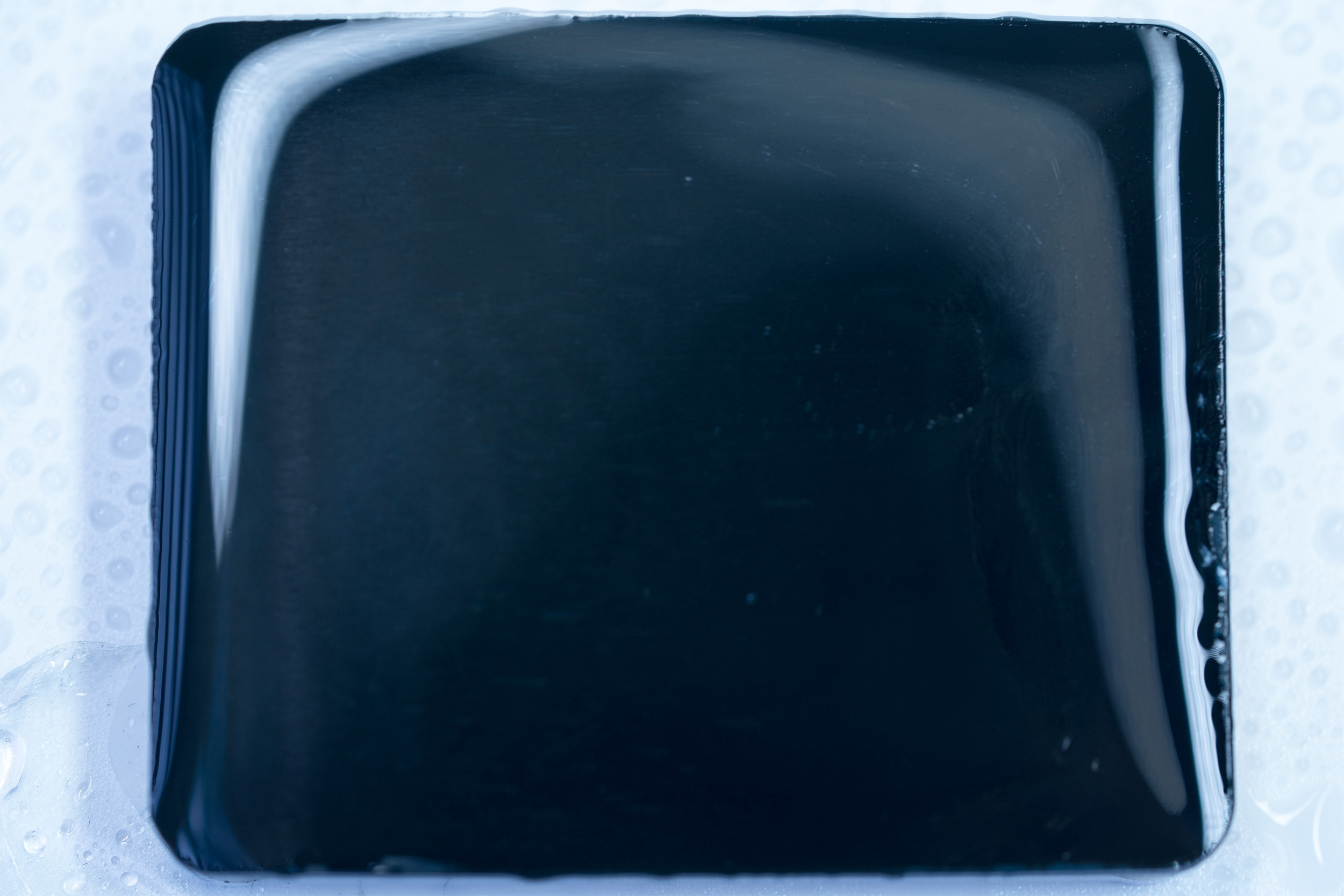
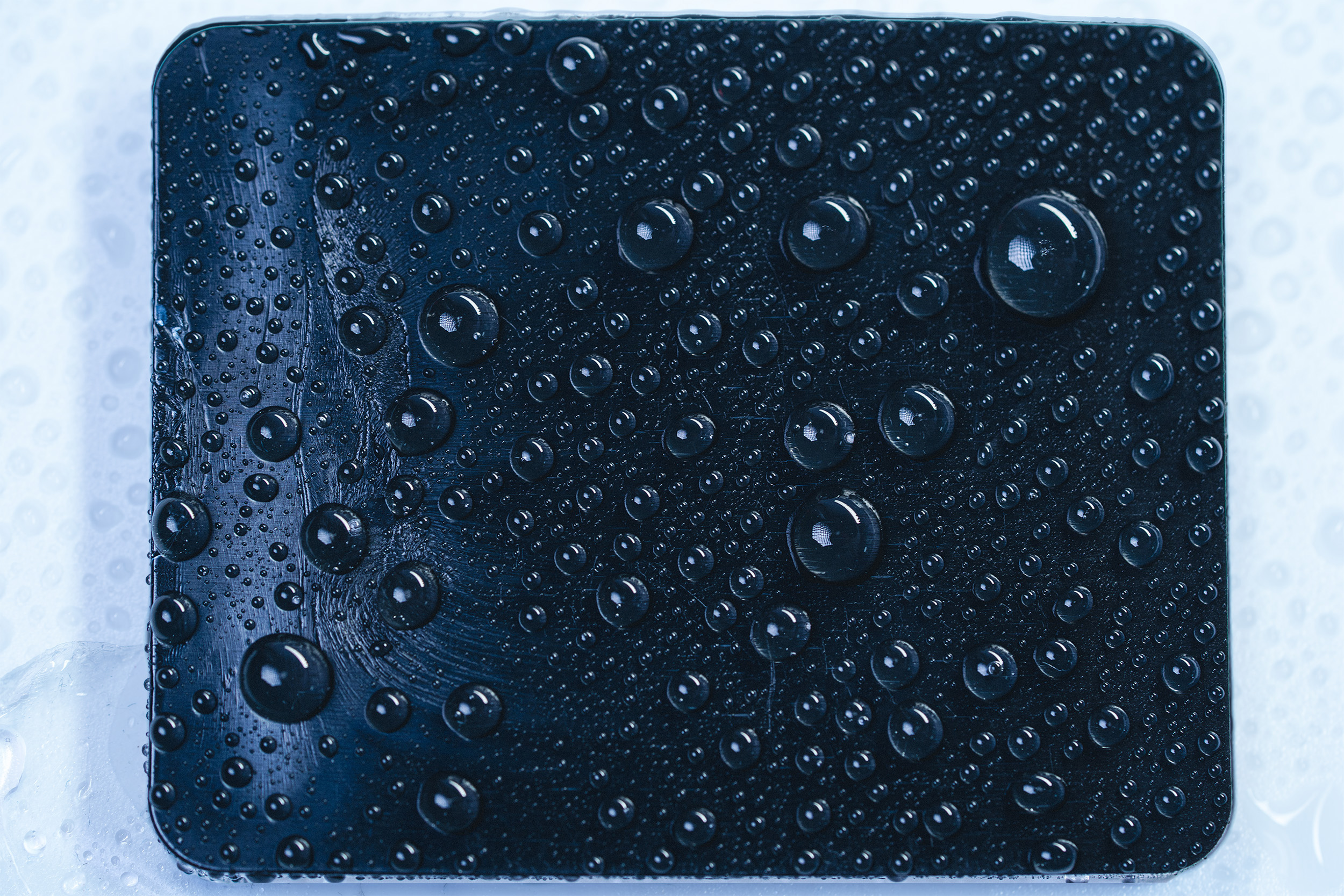
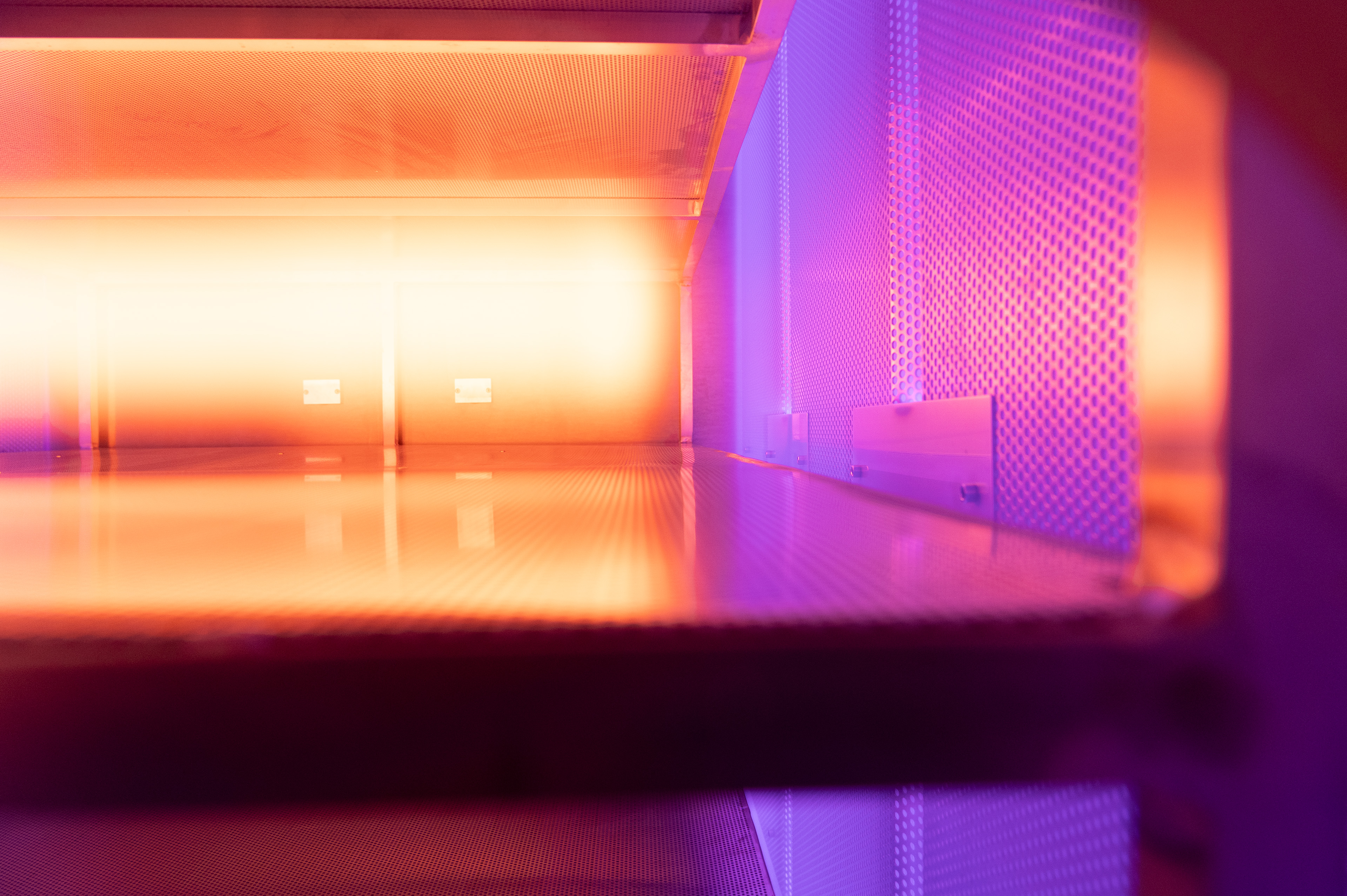
Plasma pre-treatment enables dry, chemical-free activation of the surface. Depending on the application, the activation process can be carried out using plasma alone, with ambient air or with oxygen. The plasma pre-treatment step reduces the preparation process to just a few steps, operates at lower running costs and ensures a straightforward procedure.
Prepared surfaces
Removal of oxide layers or organic residues using plasma

Environmentally friendly processes
Plasma pretreatment is a cost-effective alternative to chemical methods.

Reliable bonding
The surface of the component is precisely activated using plasma and optimally prepared for the subsequent bonding process.

Low running costs
Doing away with primers saves a few treatment steps and the associated costs.
Cost-effective treatment
ofcomplex components
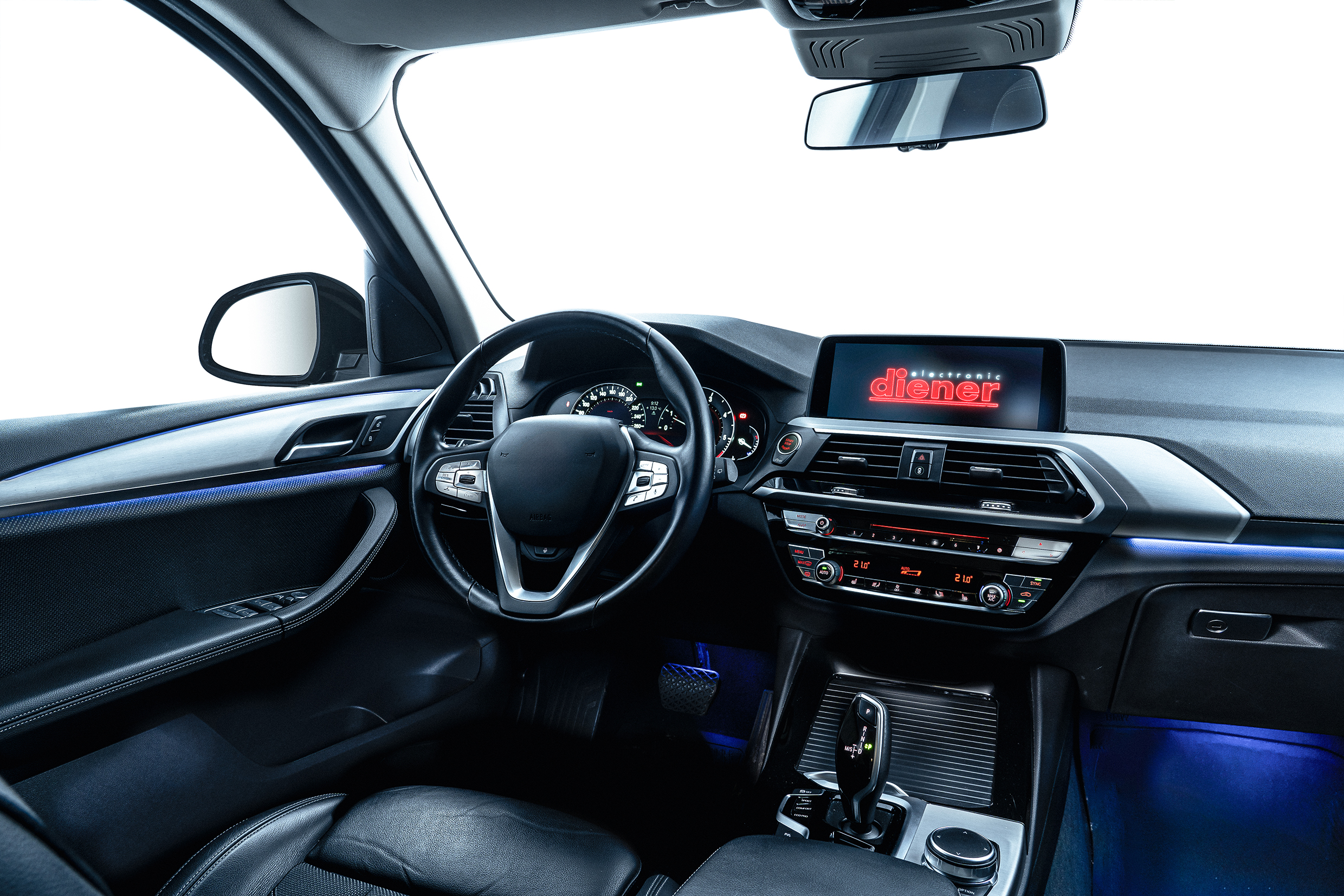
Low-pressure plasma treatment offers a decisive advantage, particularly for complex three-dimensional components. Low-pressure plasma technology enables even large geometries to be pre-treated cost-effectively. Low-pressure plasma technology is particularly well-suited to the automotive industry. Whether for dashboards, as preparation for subsequent bonding, flocking or laminating processes, or for centre consoles, where it activates plastic surfaces that are difficult to bond prior to bonding with the decorative material. The treatment of glove compartments also benefits from reproducible surface activation, ensuring reliable adhesion. Plasma technology enables the seamless treatment of large-area and complex-shaped components such as headliners
Tried-and-tested solutions
for demanding applications
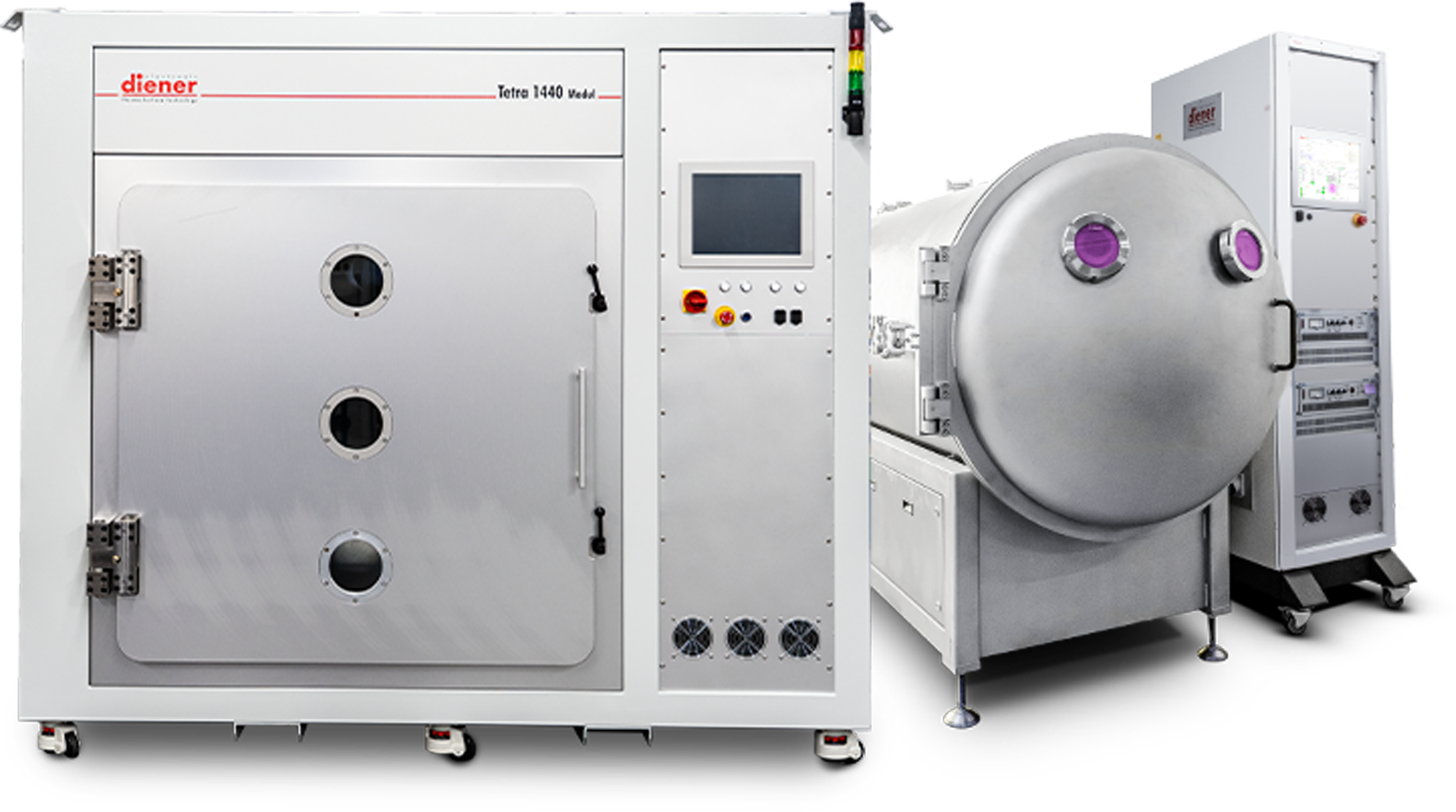
With years of experience, Diener electronic can draw on in-depth expertise in the development and design of plasma systems. This experience ensures that each plasma system is individually designed and tailored precisely to the specific application. For plasma solutions involving industrial flocking applications, the Tetra 1440 system – specifically designed for this purpose with a chamber volume of 1,440 litres – is available. Large-surface, complex 3D components can be treated effectively in a Tetra 3600, which, with its submarine-shaped vacuum chamber, offers ample space for large components.