


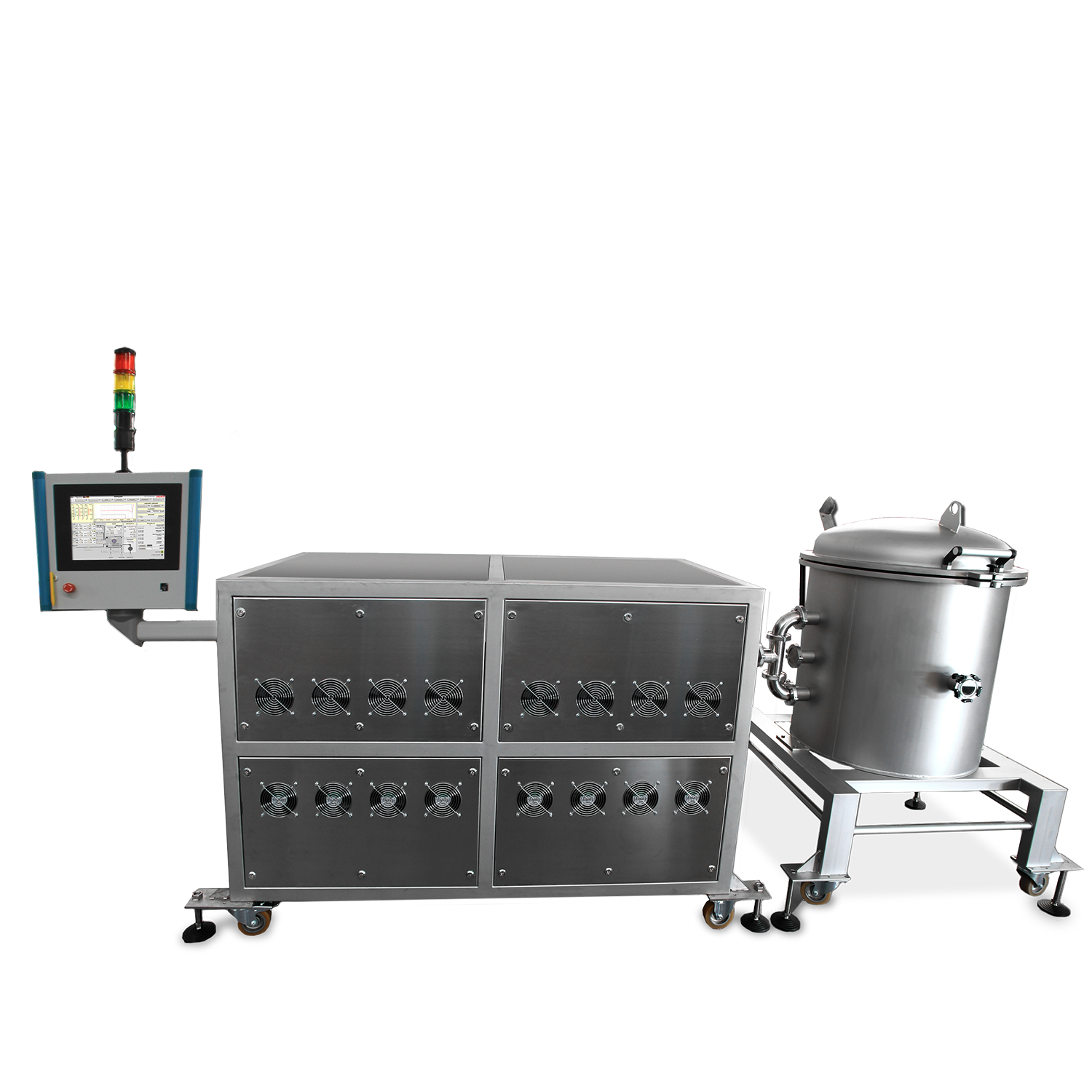
Parylene coating systemParylene P1200D
The compact model with side loading
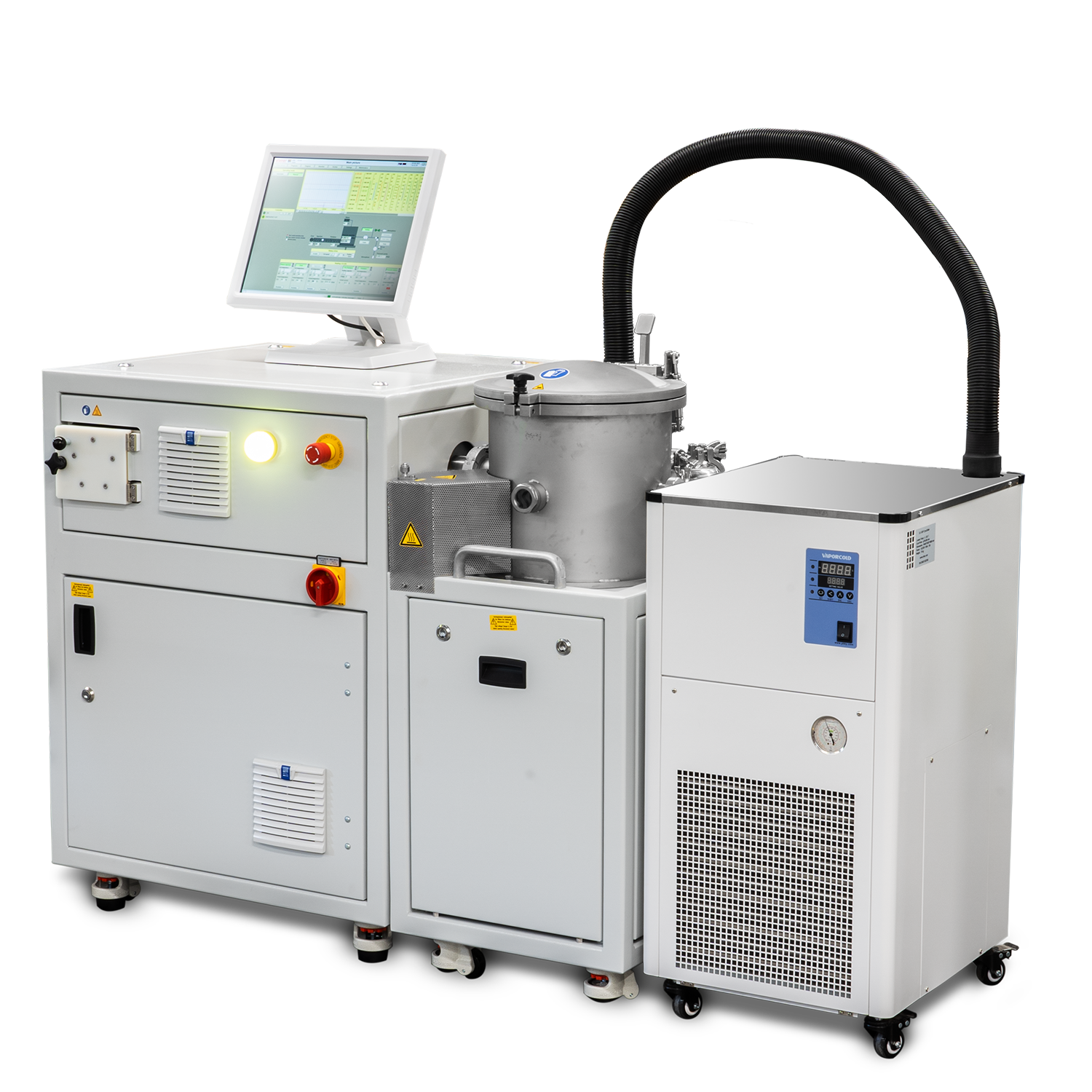
The Parylene P120D from Diener electronic is fitted with a side-loading zone. This makes it easy to load the rotary drum.
Start an inquiry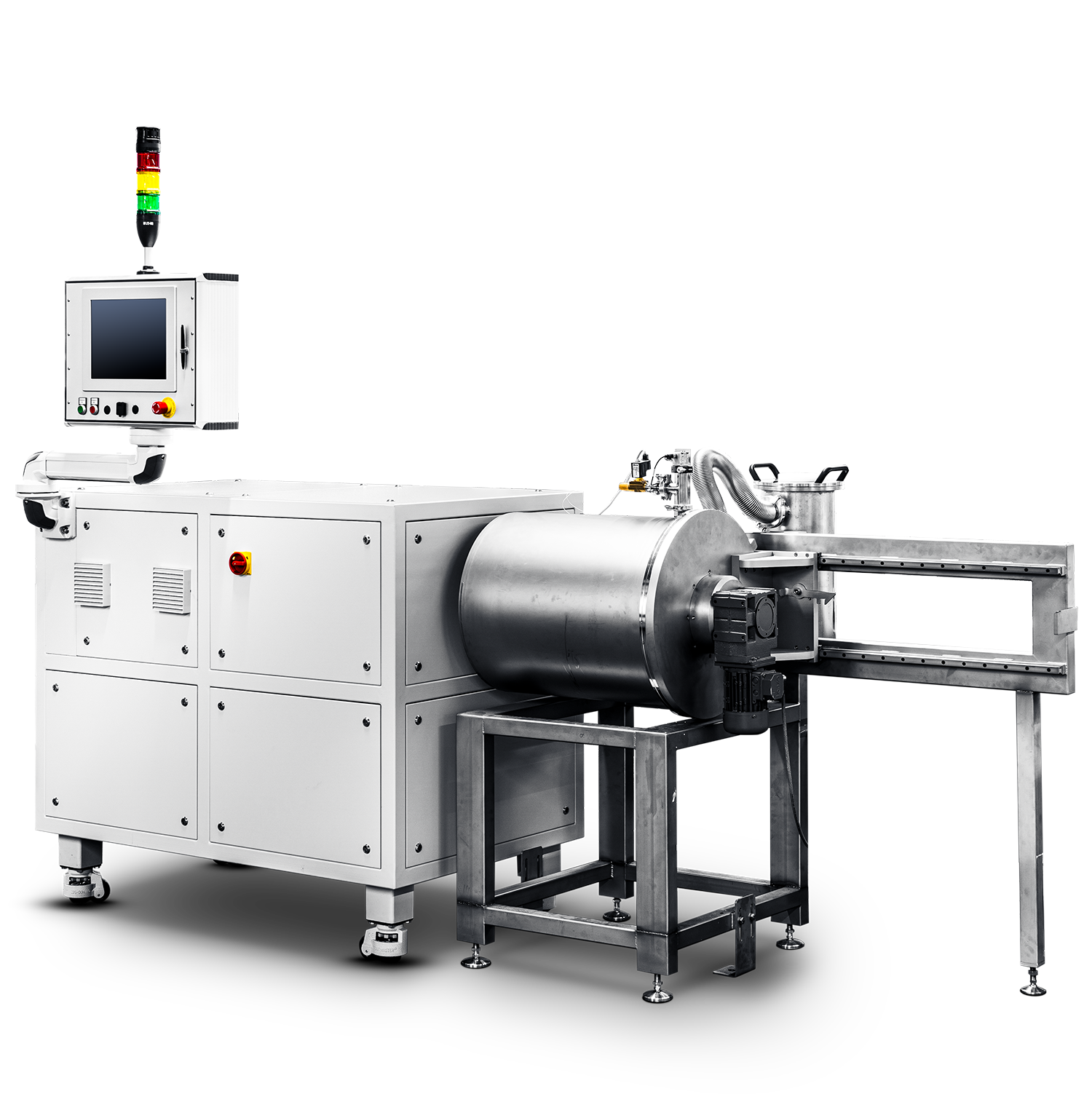
Parylene is the short name for the polymer group known as poly(para-xylylenes). These polymers consist of variously substituted para-xylylenes. The starting material for the coating is dimers. These are molecular compounds consisting of two identical subunits, known as monomers.
Properties and advantages:
Parylene coatings offer a wide range of benefits. Parylene …
- are completely conformal: i.e. they conform to even complex substrate contours such as sharp edges, bores or blind holes
- are pinhole-free even at coating thicknesses as low as approx. 0.5 µm.
- are chemically insoluble and resistant to a wide range of chemicals.
- exhibit excellent barrier properties against moisture and chemicals.
- have a high electrical breakdown strength.
- possess dry-lubricating properties (low coefficient of friction).
- are hydrophobic: contact angle of H₂O between 92° and 98°
- are transparent to between 90 and 96 per cent in the visible wavelength range (depending on the type).
- are biocompatible: Parylene types C and N can be deposited, which can be certified to USP Class VI, ISO 10993 and FDA standards.
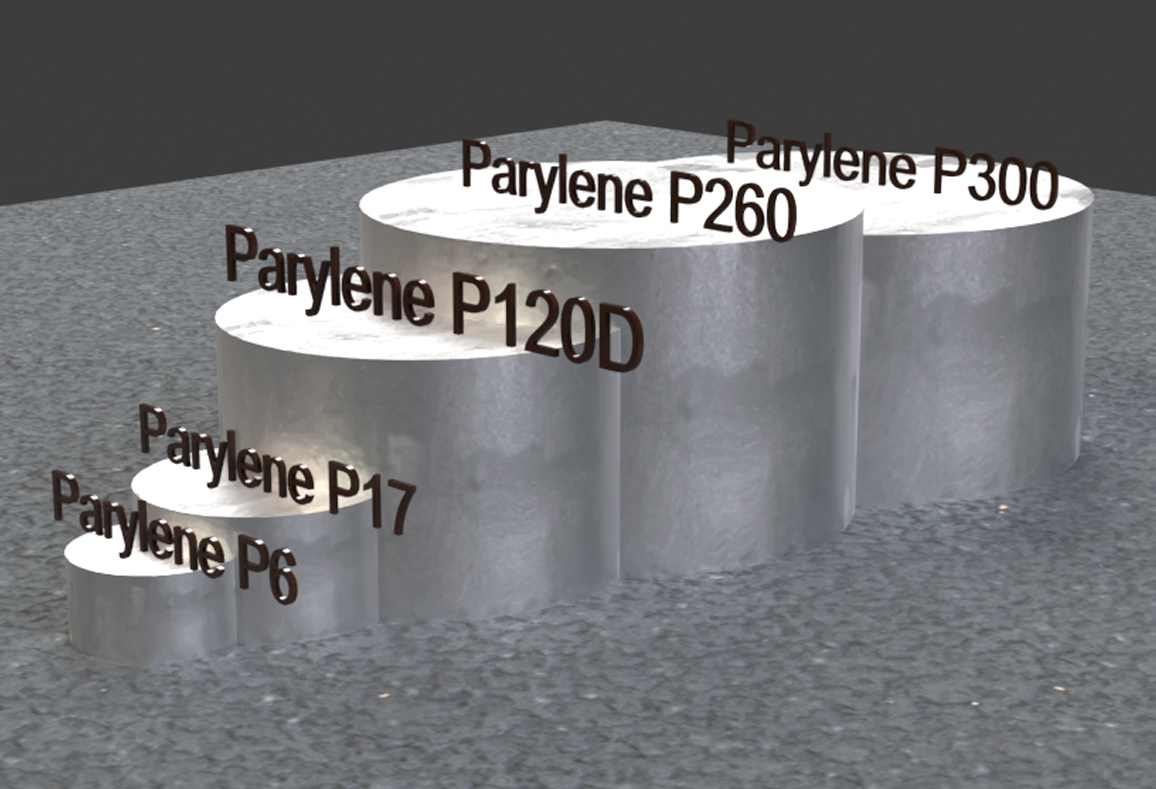
Chamber volume
Depending on the application rate, Diener electronic can offer you a suitable chamber size. Chamber volumes range from approximately 6 to 300 litres.
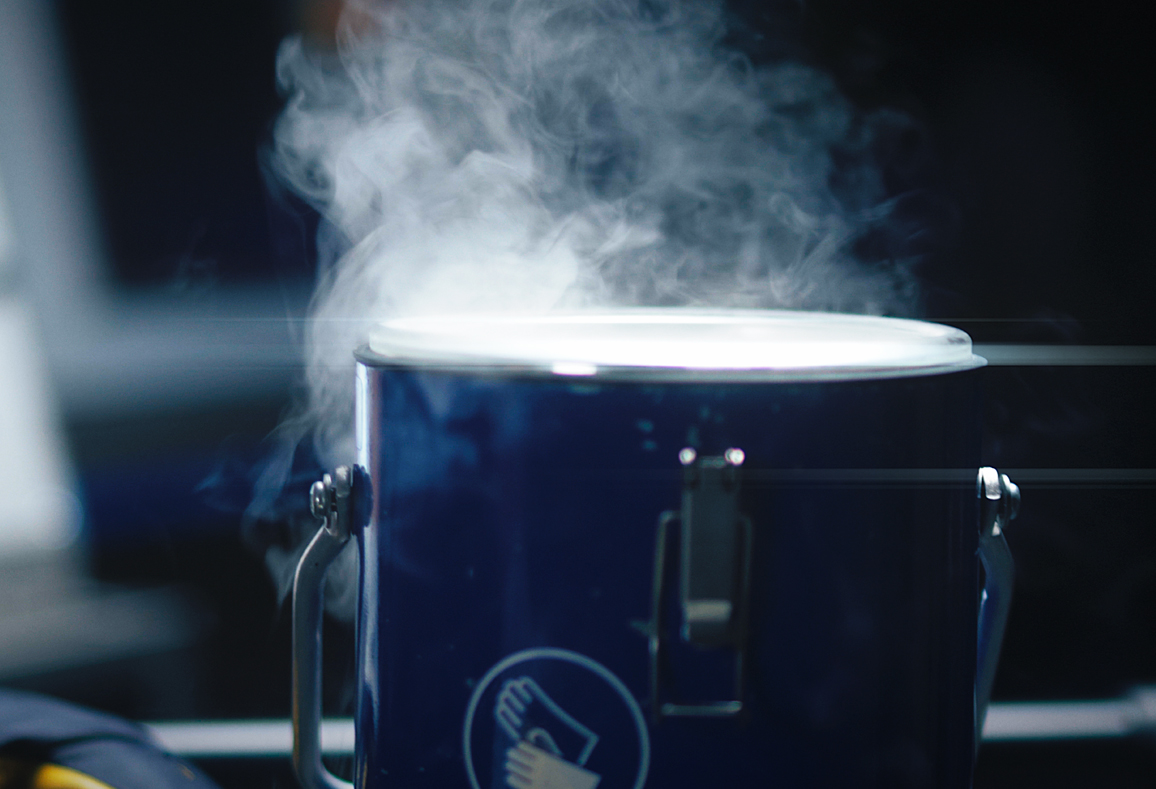
cooling trap
The cold traps required for parylene coating are manufactured using liquid nitrogen or, on request, with an electromechanical cooler. Furthermore, Diener electronic’s 30 years of experience helps to ensure that the most suitable cold trap is selected.
Everything in motion
To ensure complete coating of the surfaces, the workpieces must remain in motion during the treatment. For Parylene P120D, Diener electronic is currently developing a rotary drum. It will rotate and utilise gravity to continuously turn the components being treated. Quick and easy loading and unloading are among the other advantages of a rotary drum.
Heating
To minimise unwanted deposits, the heating system is designed to match the chamber volume. The larger the chamber volume, the larger the heating system required. Unfortunately, it is not possible to prevent deposits entirely.
Technical data
Housing dimensions
Standalone
Vacuum chamber
Stainless steel, Hinged door
⌀ 500 mm x
D 610 mm; Volume approx. 120 liters
Workpiece holder / Part fixture
Rotary drum, Stainless steel
⌀ 445 mm x
D 580 mm; Volume approx. 90 liters
Coating material
Parylene N, Parylene C, Parylene D, Parylene F-VT4
Possible coating thickness
0.05 - 50.00 μm
Pyrolysis unit
4.00 kW, max. 850 °C
Cold trap
Liquid nitrogen
Electro-mechanical cooler
Power supply
400 V | 32 A
Technical changes reserved.
Get a custom quote for Parylene coating system Parylene P1200D?
Start an inquiry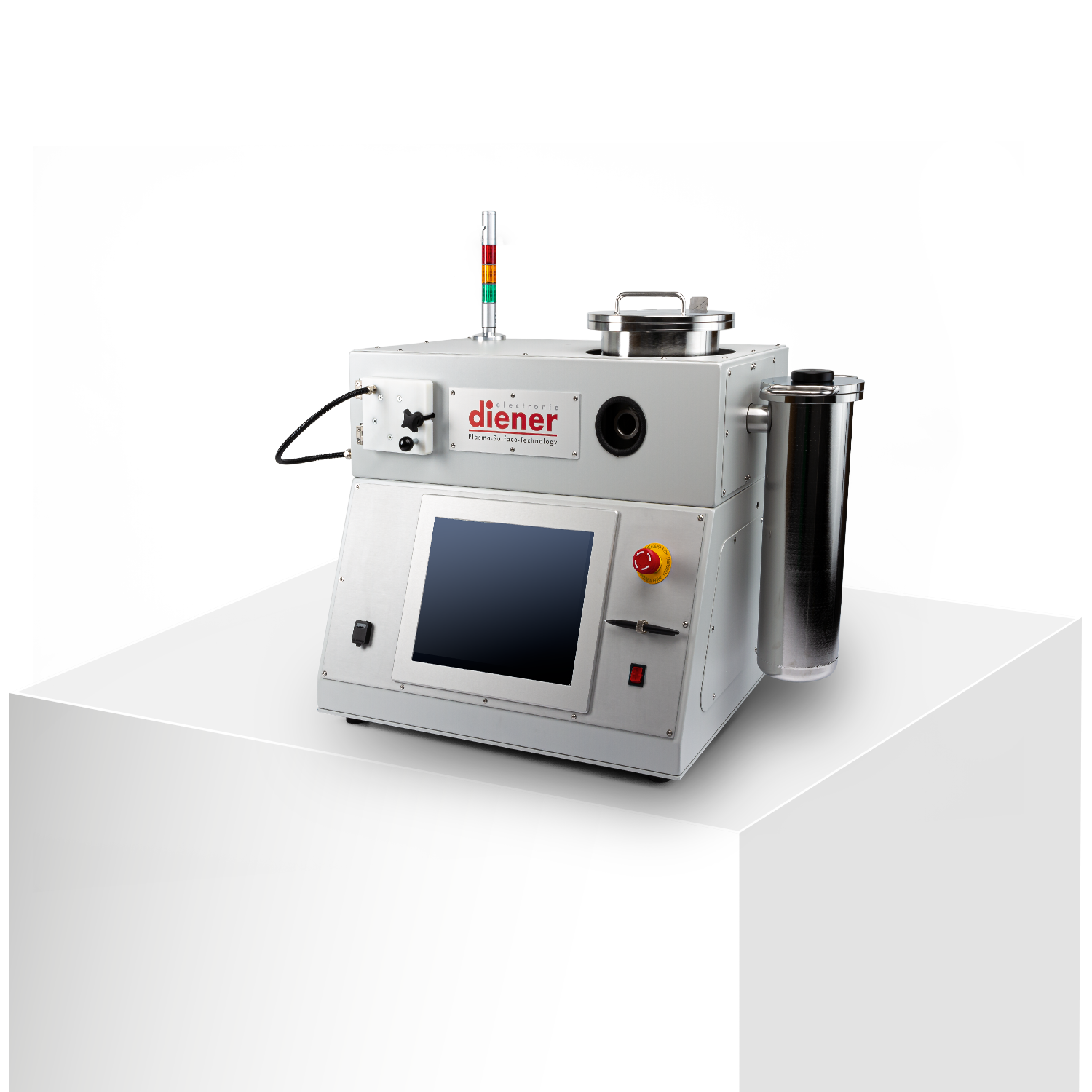
FAQ Frequently Asked Questions
How thick is a parylene coating produced using the Parylene P1200D system?
Depending on your requirements, we at Diener electronic recommend applying a parylene layer with a thickness of between approx. 0.1 and 50 micrometres using the Parylene P1200D system. A pinhole-free protective layer is achieved from 1 to 2 micrometres.
Why is a heater fitted into the parylene systems?
To minimise unwanted deposits in the vacuum chamber, the heating system is designed to match the chamber’s volume. The larger the volume, the larger the heating system required. Furthermore, the heating system helps to improve efficiency and reduce energy consumption.
Which cooling traps are used in parylene coating?
The cold traps required for parylene coating are manufactured using liquid nitrogen or, on request, with an electromechanical cooler. Furthermore, Diener electronic’s 30 years of experience helps ensure that the most suitable cold trap is selected.
Are exhaust air filters necessary?
Yes, all systems must be connected to a proper exhaust system, regardless of the type of gas used! Nitrogen oxides, exhaust gases, fine oil mist (from oil pumps), etc. are produced, which must not be inhaled; furthermore, the gases are often acidic, meaning they promote the rusting of surrounding parts, machinery and equipment.