

Low-Pressure PlasmaPlasma system Tetra 100
Increased process capacity for industrial applications
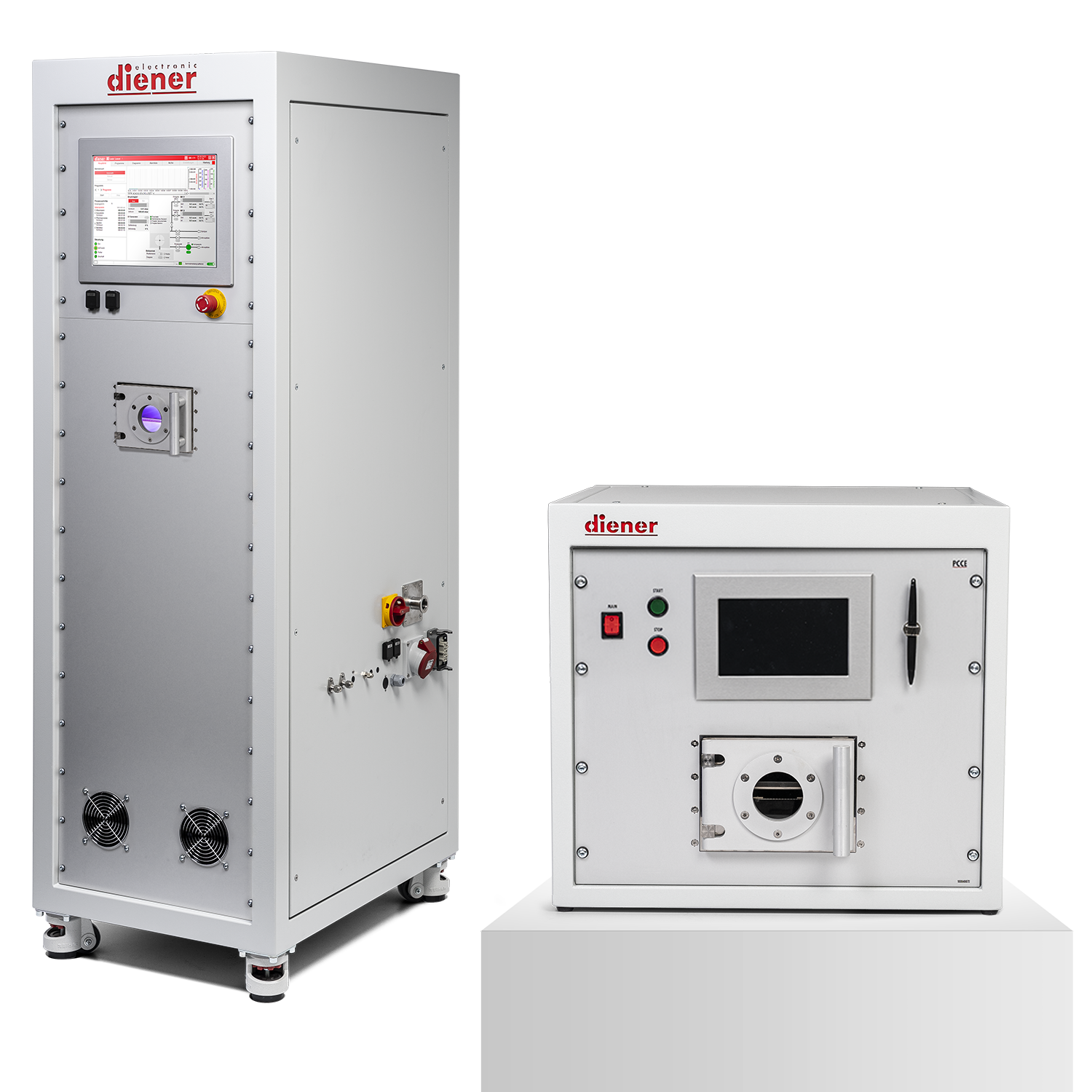
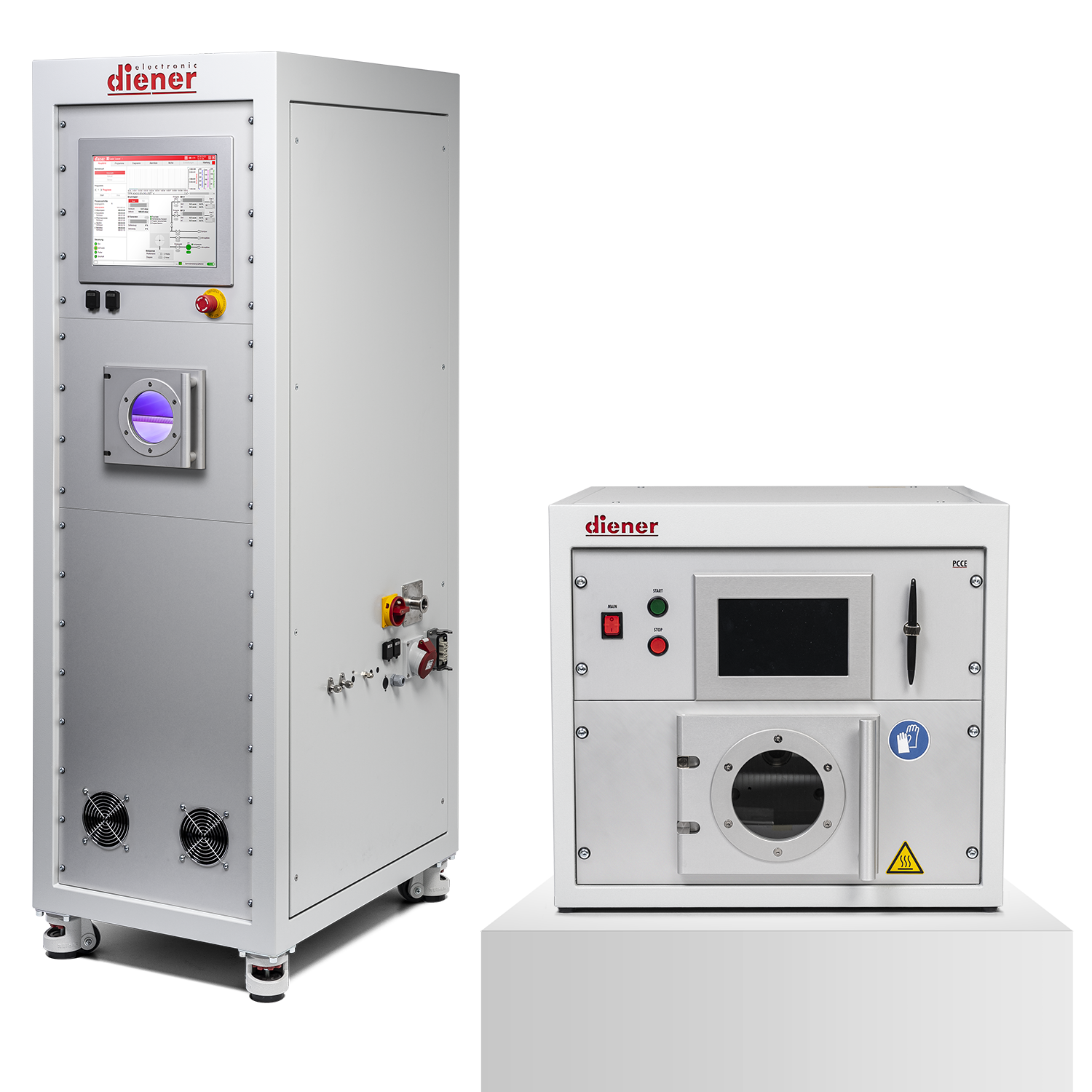
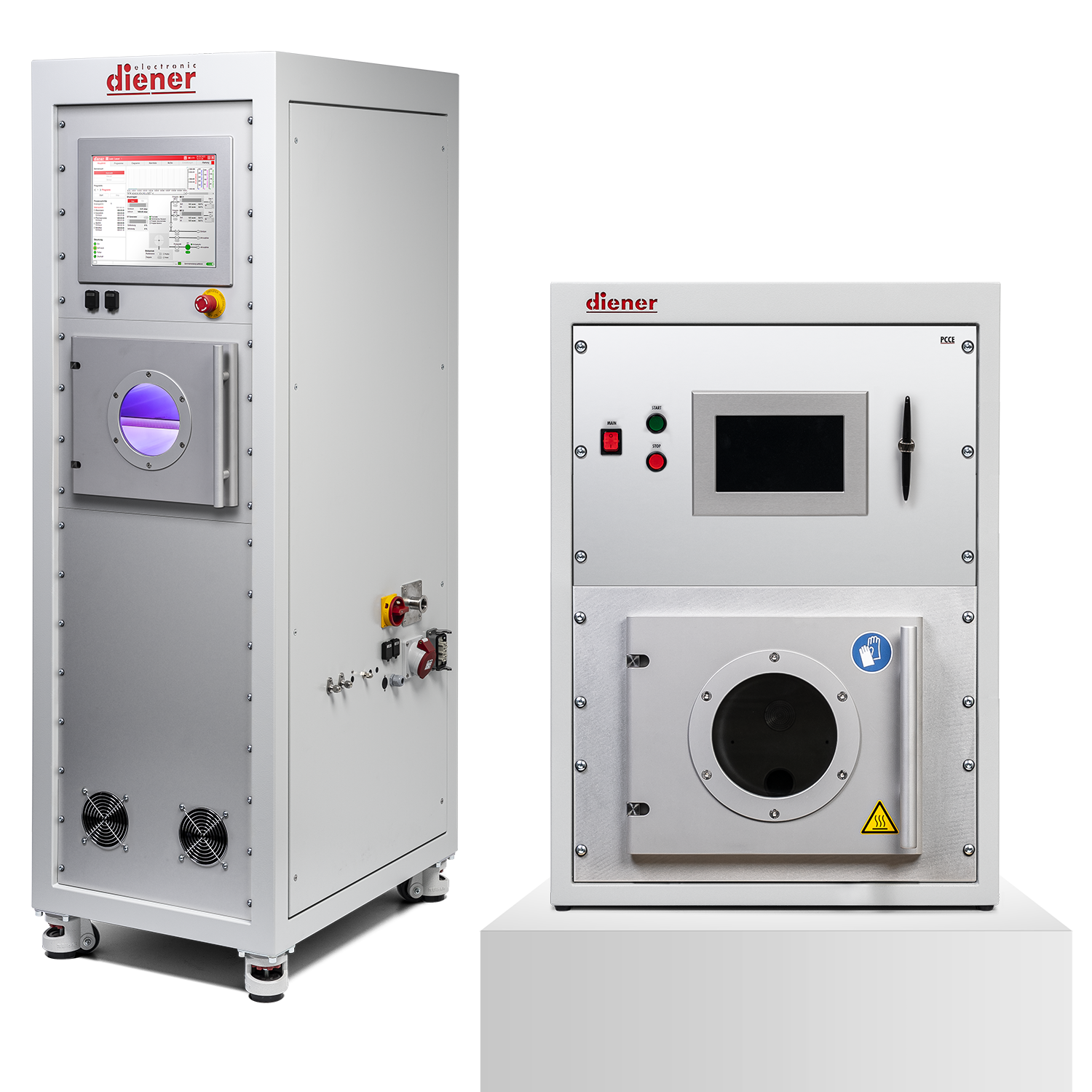
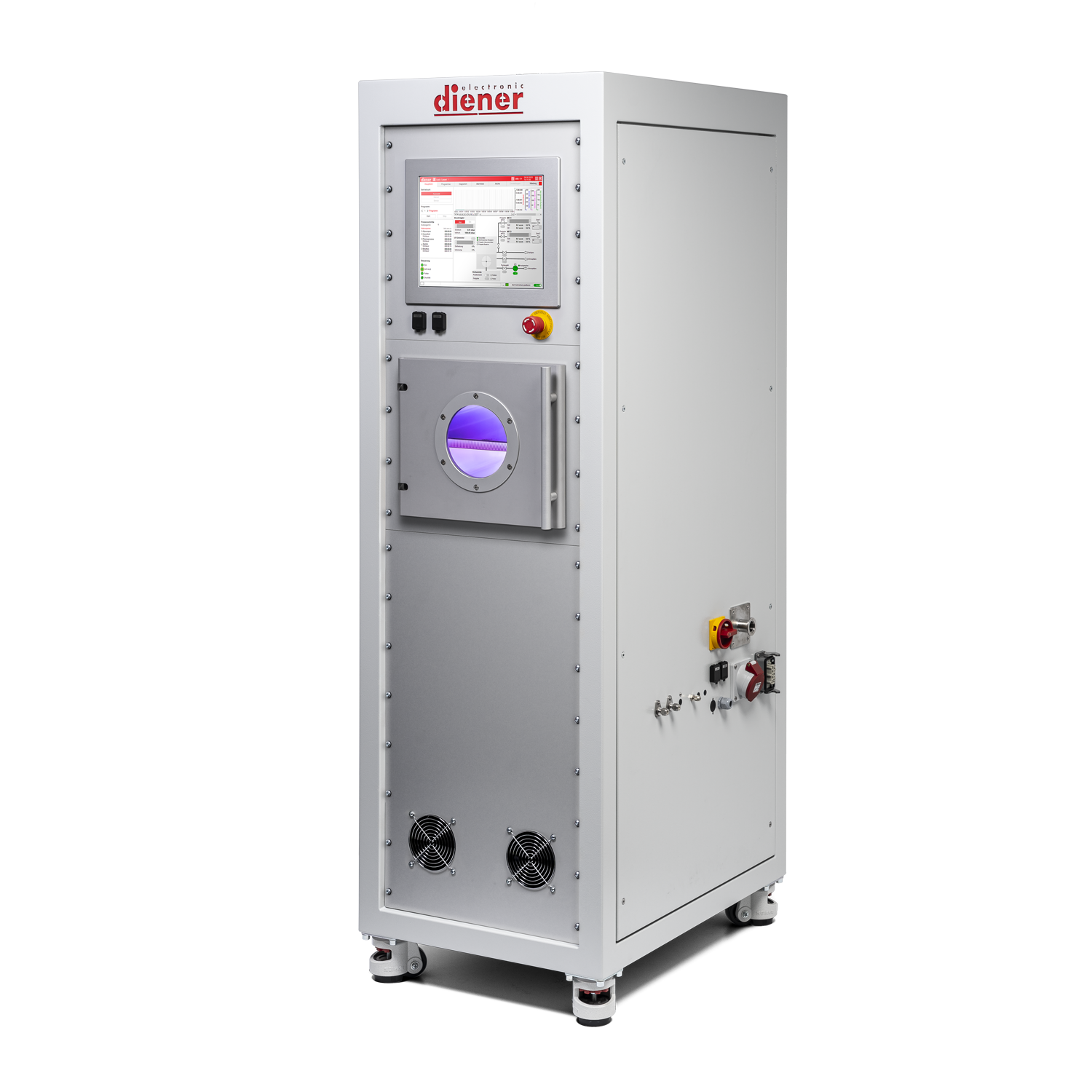
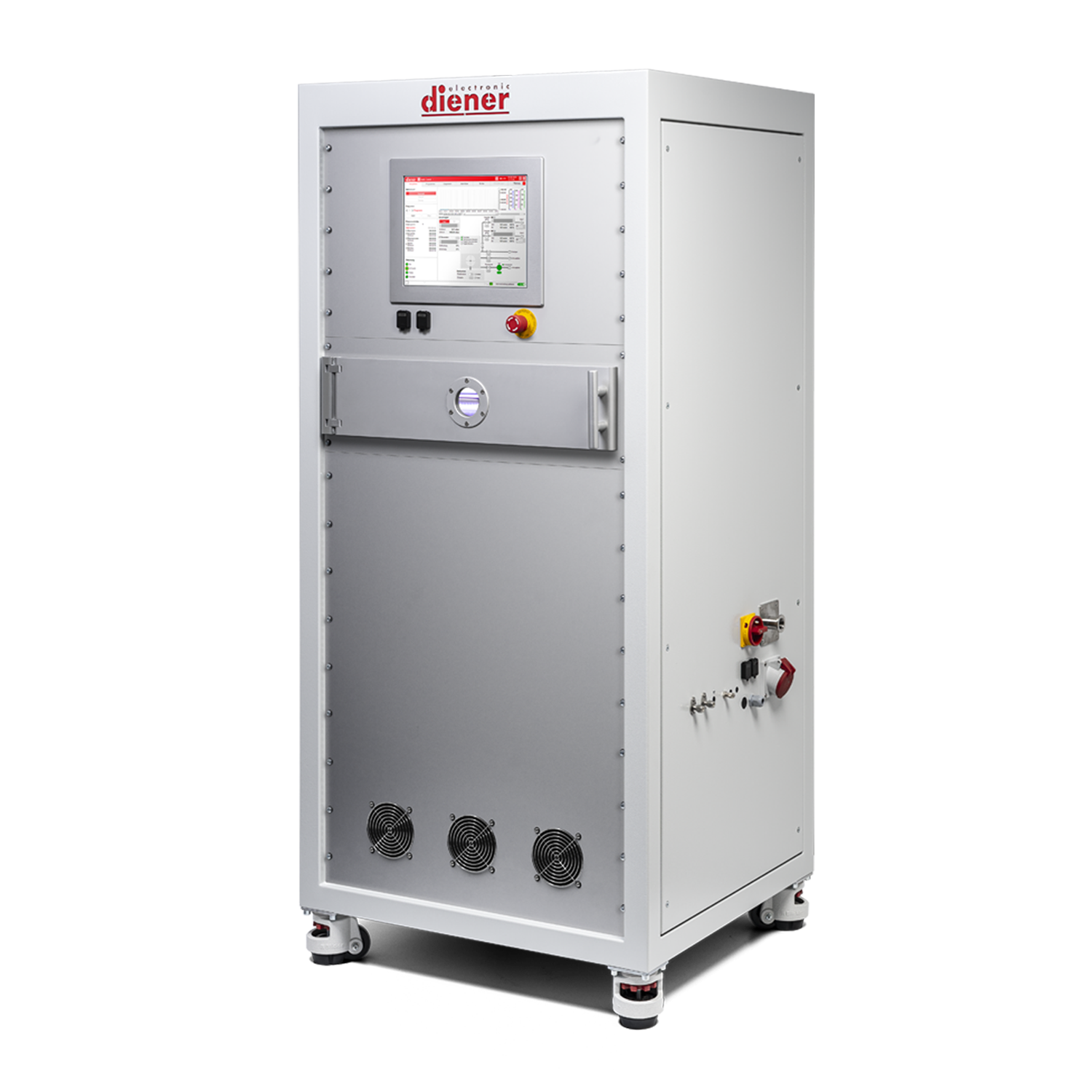
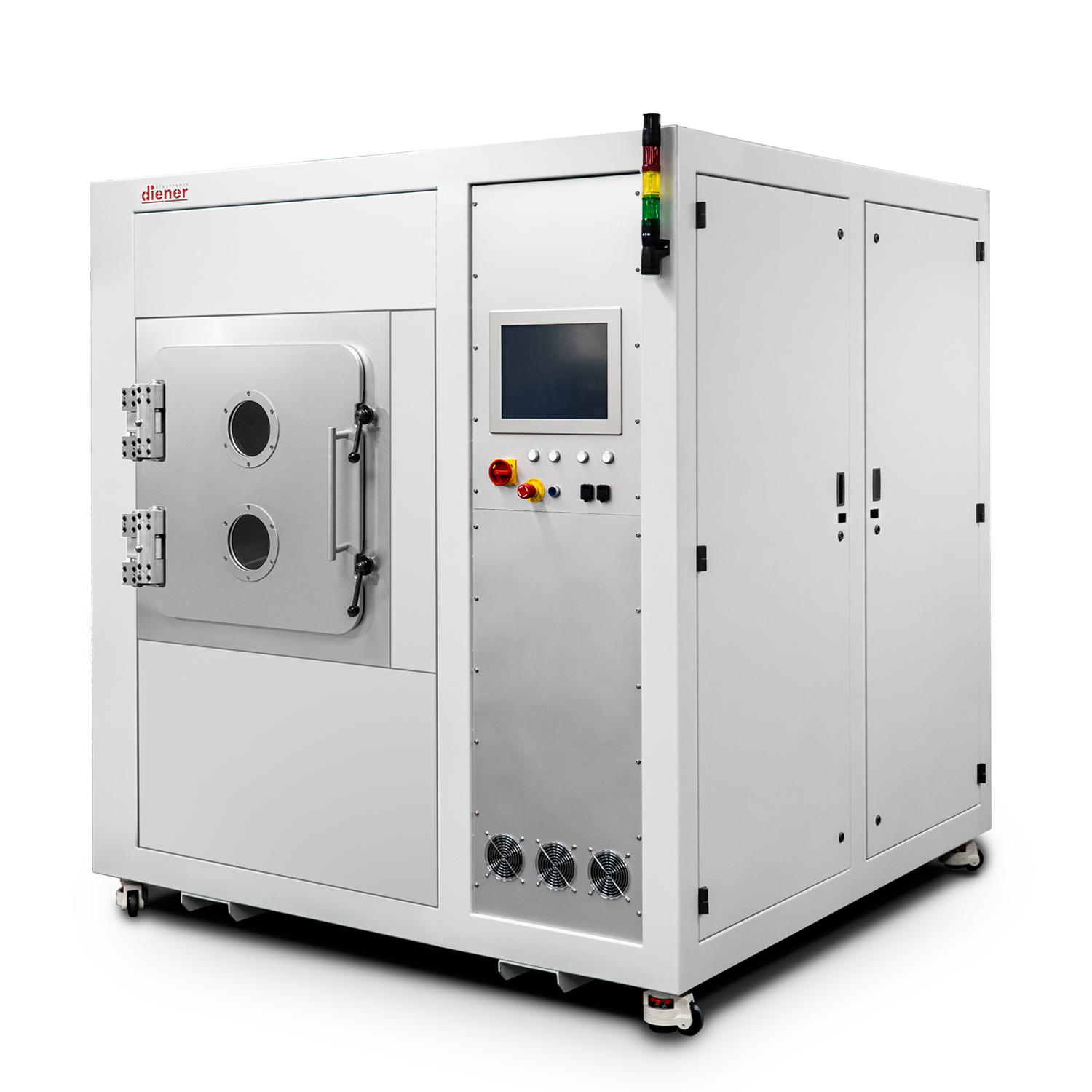
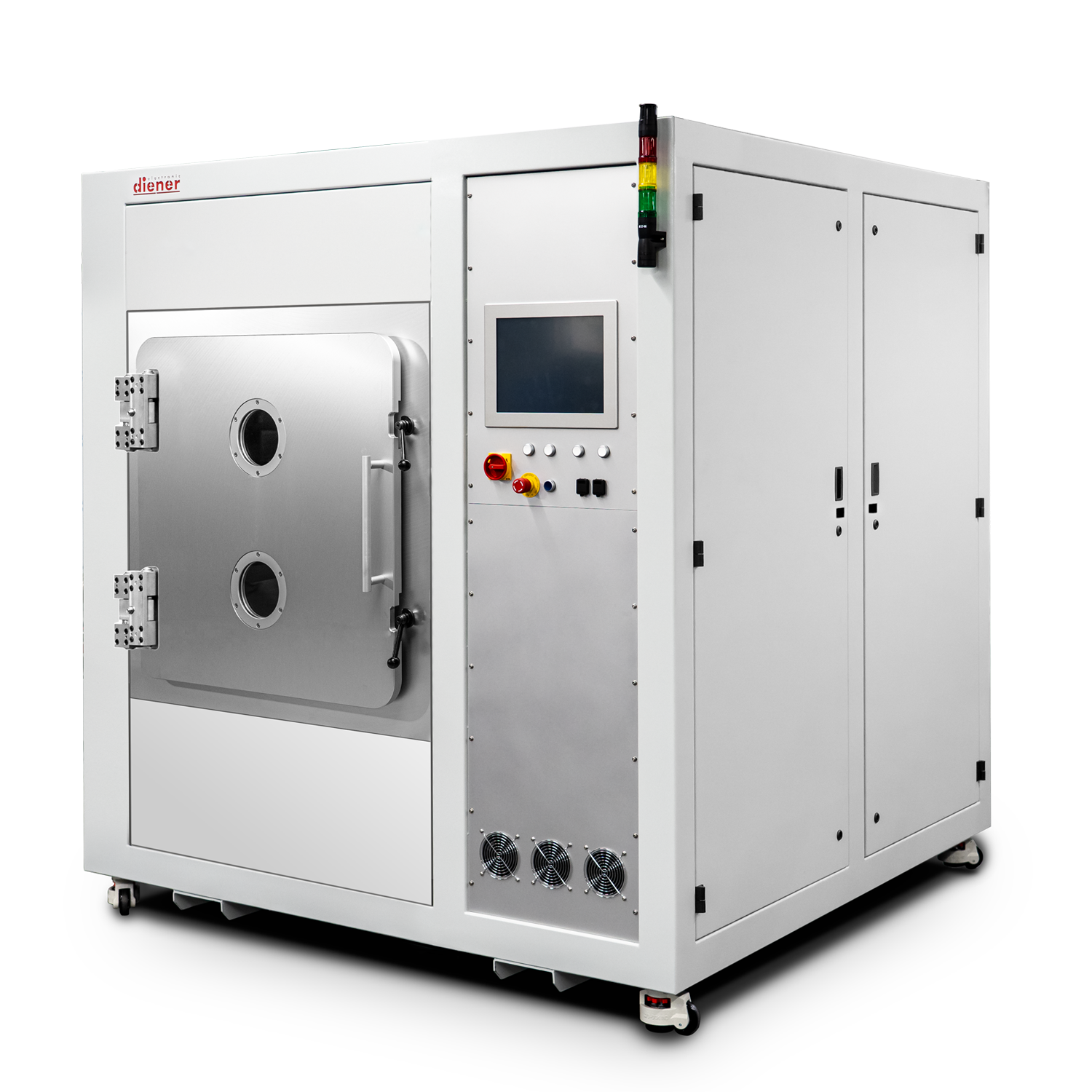
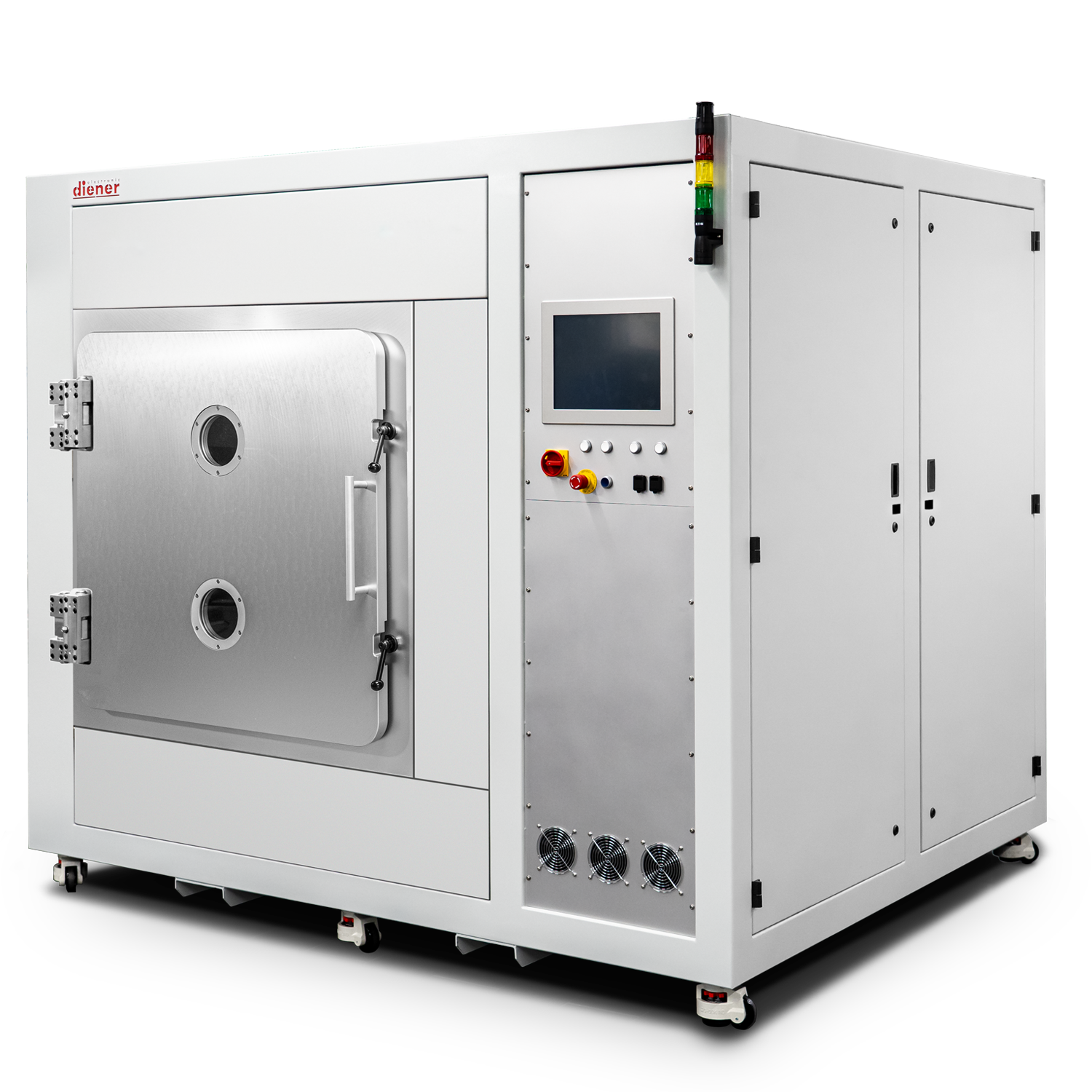
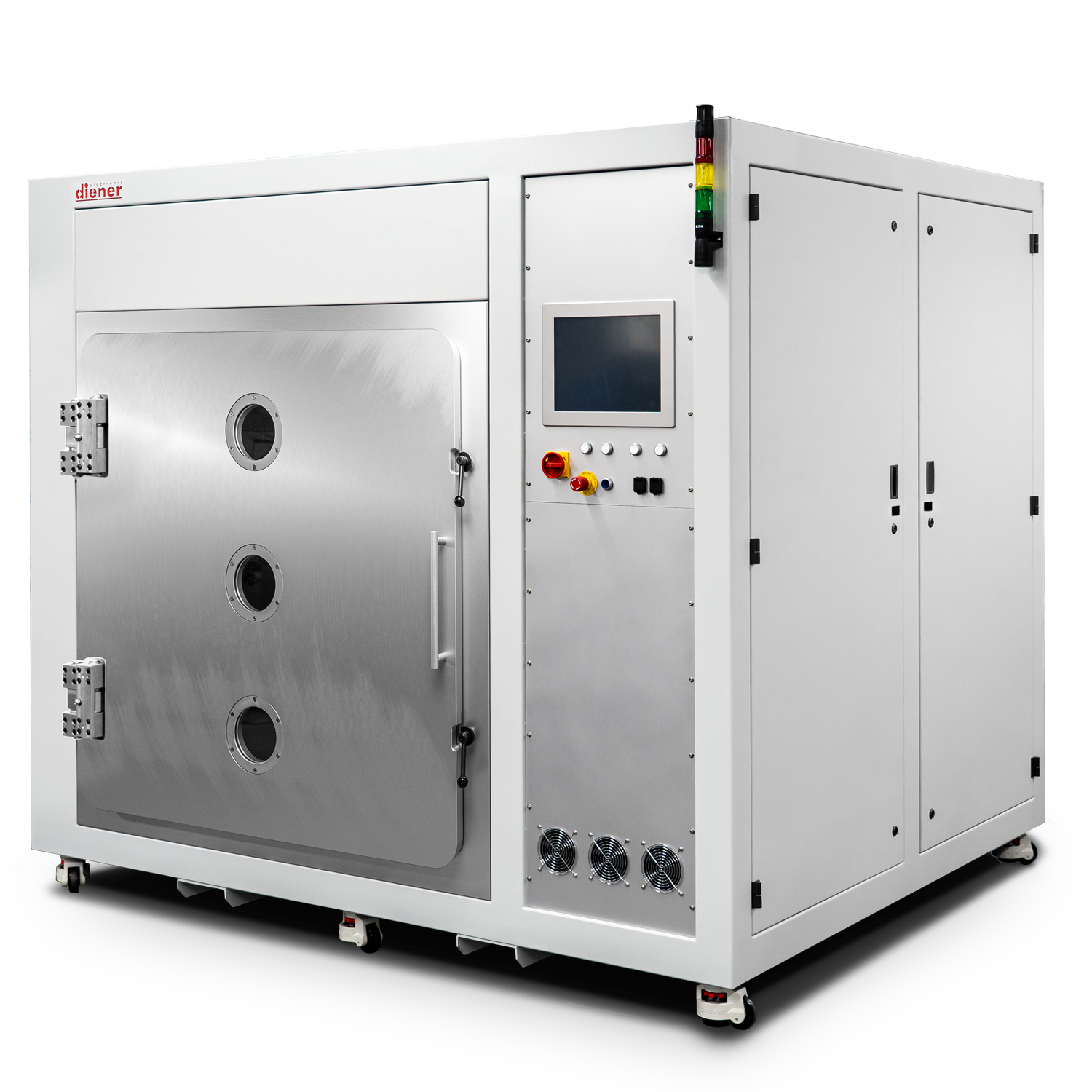
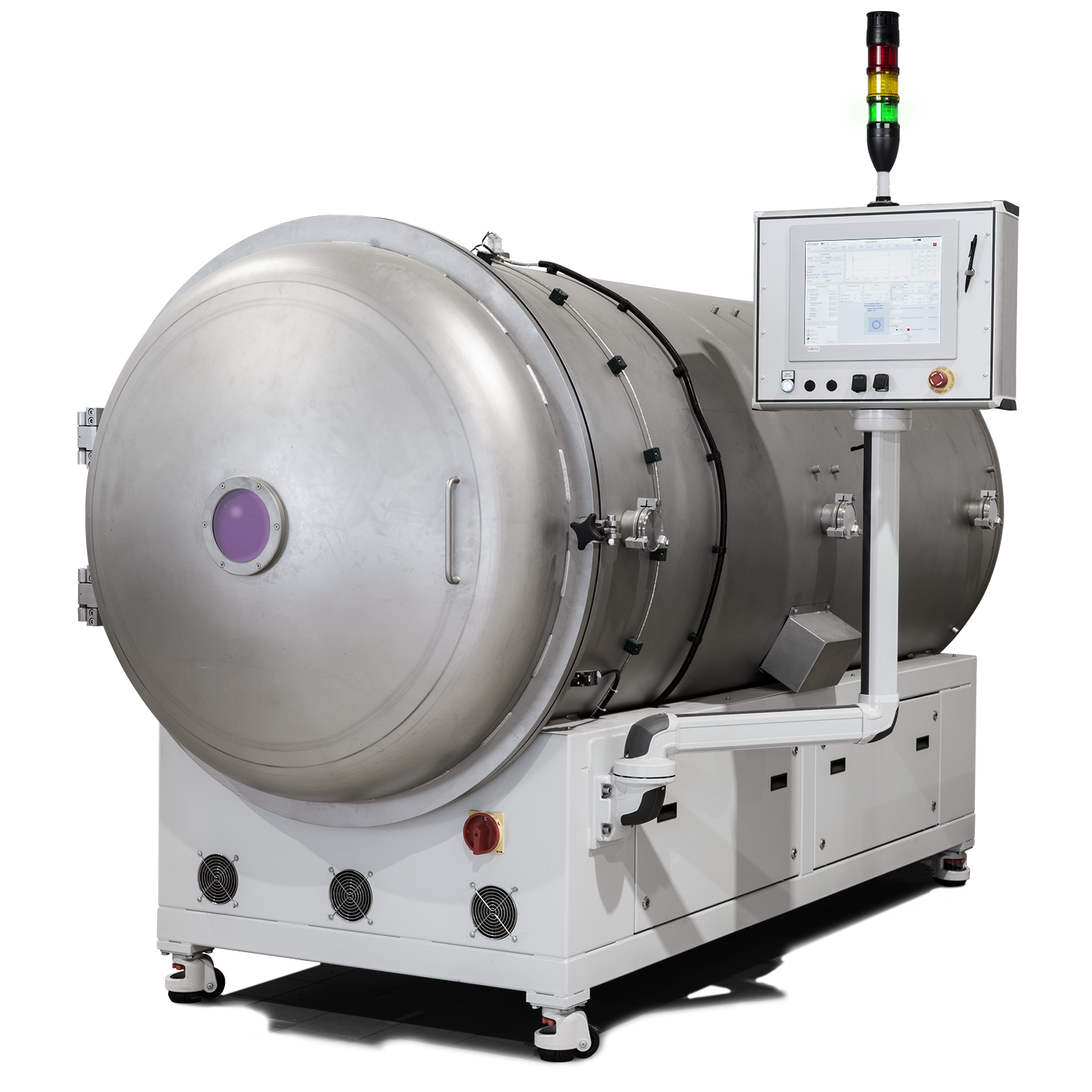
The Tetra 100 plasma system has been developed for companies wishing to treat larger workpieces efficiently and reproducibly using low-pressure plasma. With a chamber volume of 100 - 100 litres, the system offers sufficient space for demanding applications in industry as well as in research and development departments.
Start an inquiry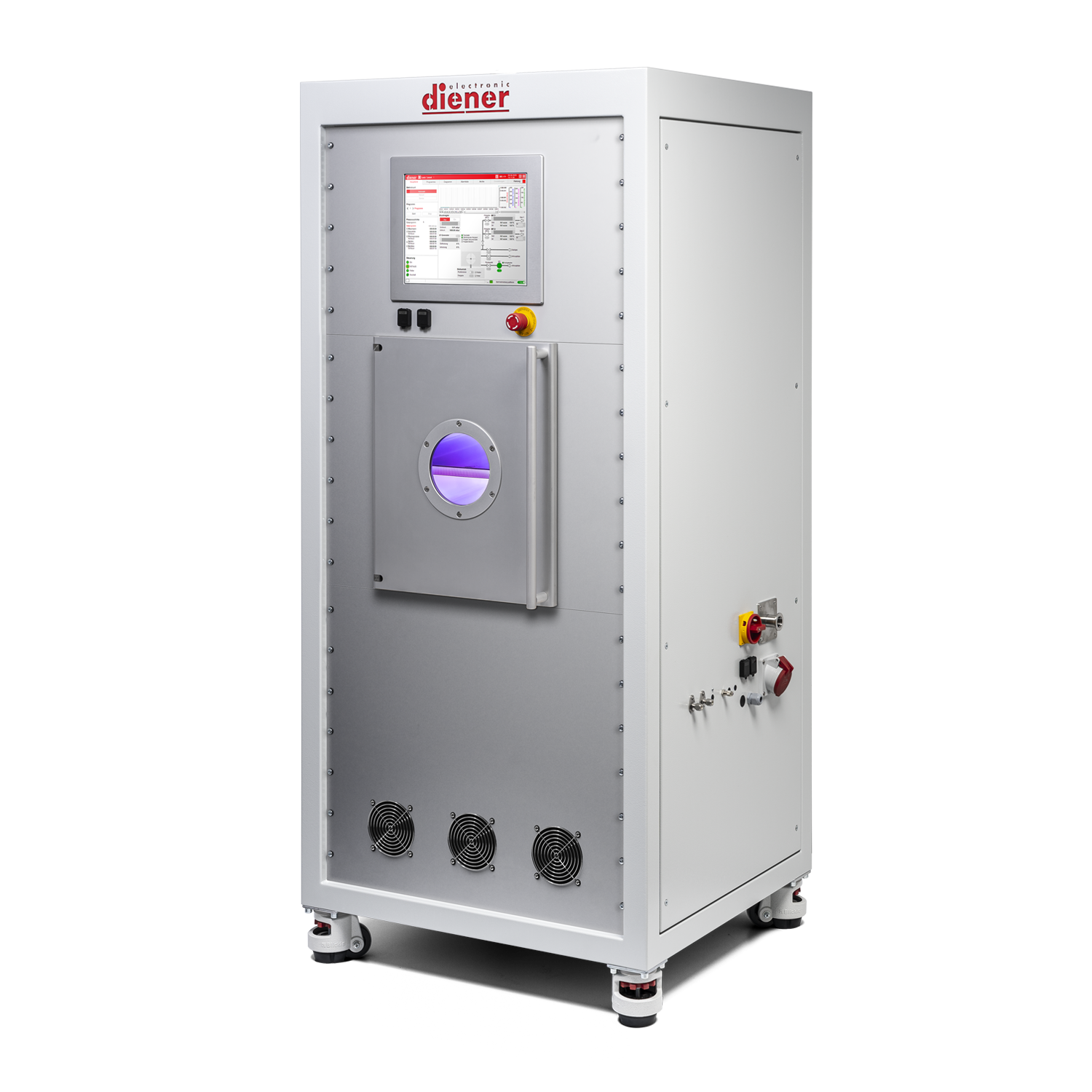
100 litres of space for larger components
With its generous chamber volume of 100 - 100 litres, the Tetra 100 is ideal for processing larger components or multiple workpieces in a single process. This allows for increased throughput and cost-effectiveness without compromising on process quality.
The modular system design allows for customisation to suit your specific requirements. The control system, process parameters and system equipment can be optimally tailored to materials, component geometries and production processes.
The Tetra 100 supports a wide range of low-pressure plasma technology processes – from ultra-fine cleaning and surface activation to plasma etching and functional coating. Reproducible processes and high process stability create the ideal conditions for downstream manufacturing steps such as bonding, painting or coating.
Thanks to its robust design and flexible configurability, the system is suitable for both research applications and continuous use in industrial production environments.

Cleaning
The Low-Pressure Plasma system Tetra 100 offers solutions for ultra-precise cleaning of all surfaces, for every substrate, and for every post-treatment process. Plasma cleaning removes all organic residues without subjecting the component to chemical or thermal stress.
More information
Activation
Good surface wettability is a prerequisite for the adhesion of bonding partners during painting, gluing, printing, or bonding. Plasma activation using the Low-Pressure Plasma Tetra 100 system creates polar bonding partners and increases the surface energy.
More information
Coating
The Low-Pressure Plasma Tetra 100 system can also modify surfaces by applying a coating. Plasma coating can be used to deposit hydrophobic, hydrophilic, protective, or insulating layers of any kind.
More information
Etching
The plasma technology of the Low-Pressure Plasma Tetra 100 system enables anisotropic and isotropic etching. This results in the nanostructuring of surfaces, which increases their surface area and improves adhesion.
More information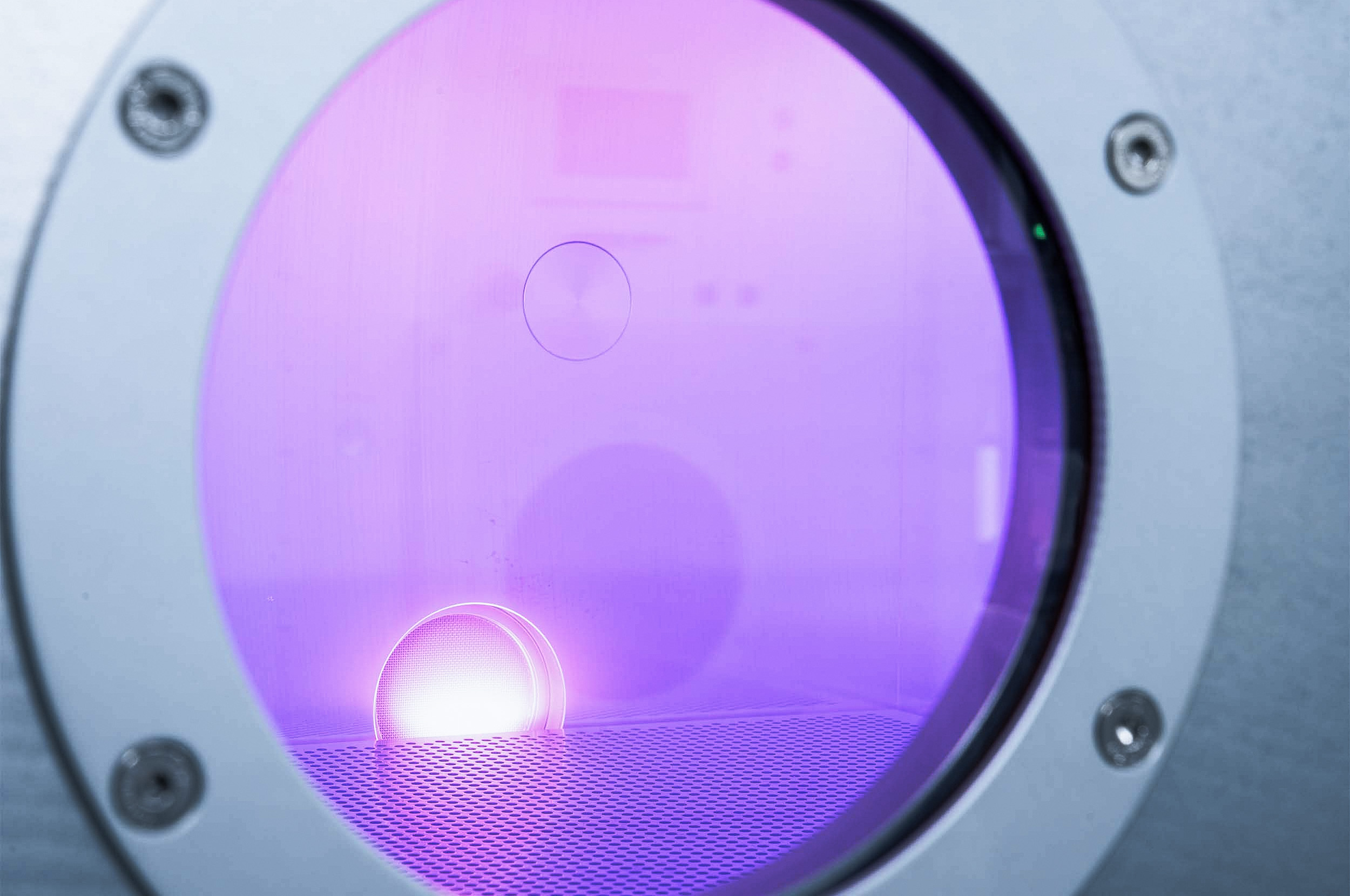
100 - 100l chamber
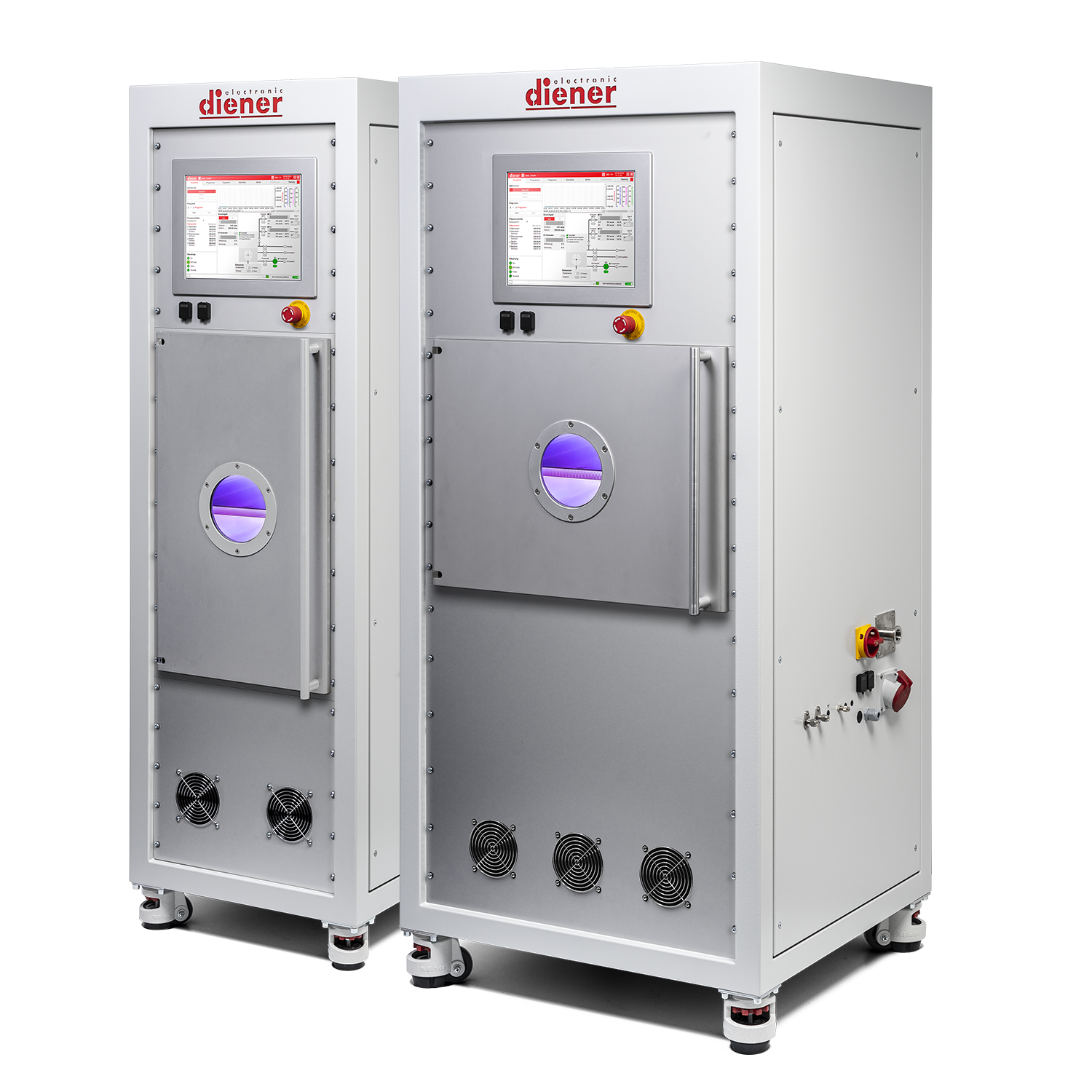
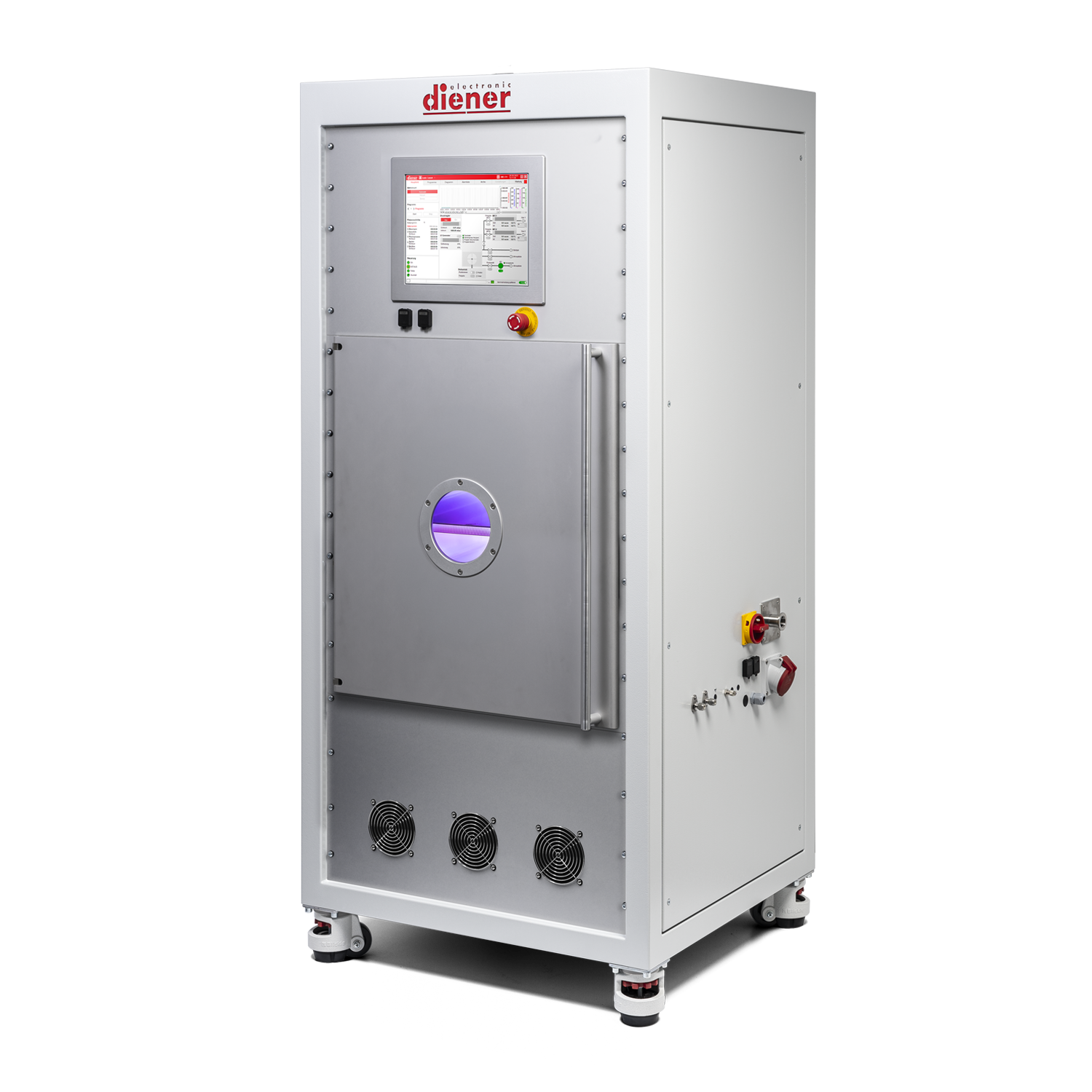
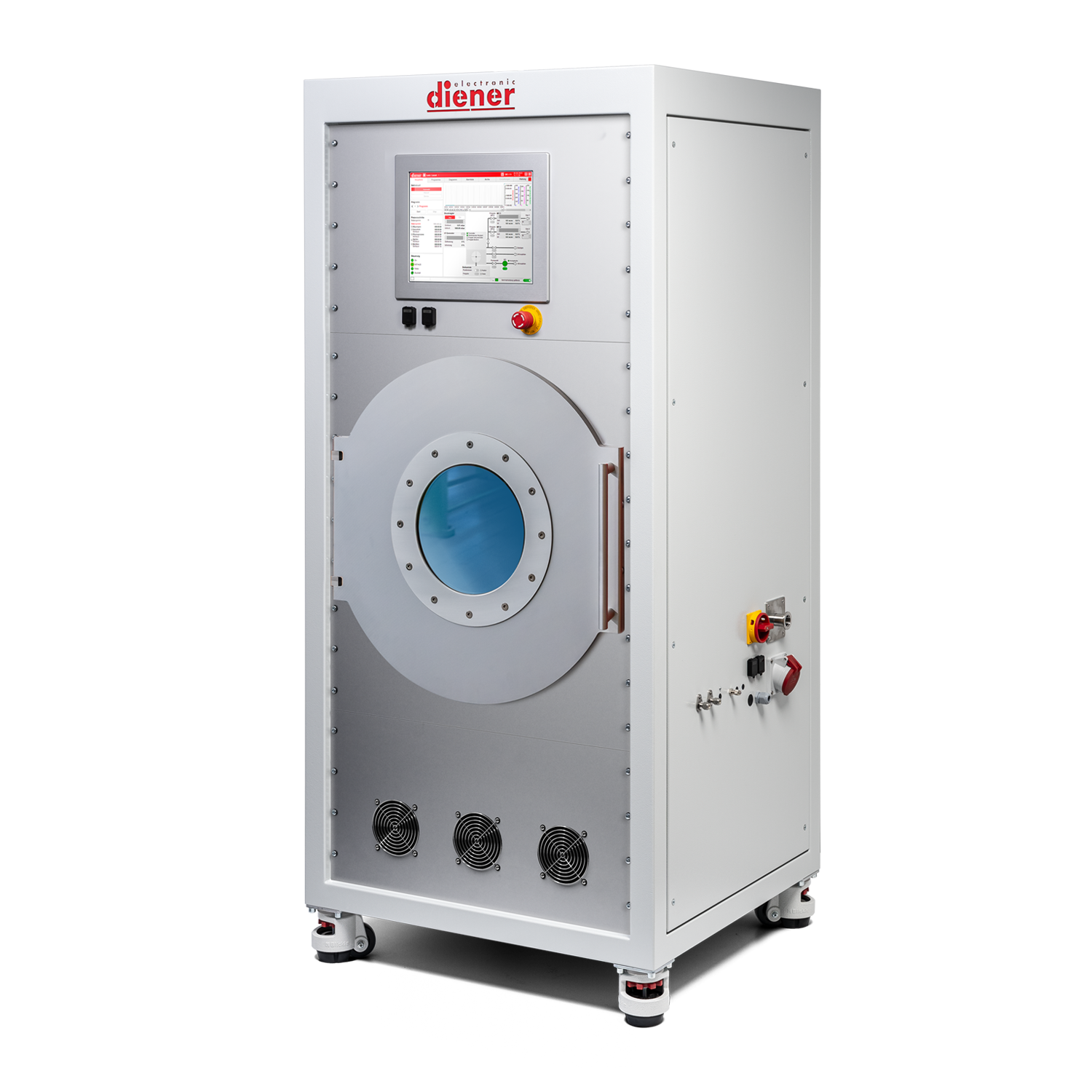
The Low-Pressure Plasma Tetra 100 system is equipped with a chamber volume of 100 - 100 litres, which is ideally suited to large industrial components. Stainless steel or aluminium chambers are available for this purpose, ensuring particularly safe and stable industrial processes. For certain applications, a borosilicate glass chamber and a sliding door are available. The generous chamber size allows for the simultaneous treatment of complex or multiple components, making the Tetra 100 plasma system ideally suited to industrial production processes and mass-production applications.
Electrode
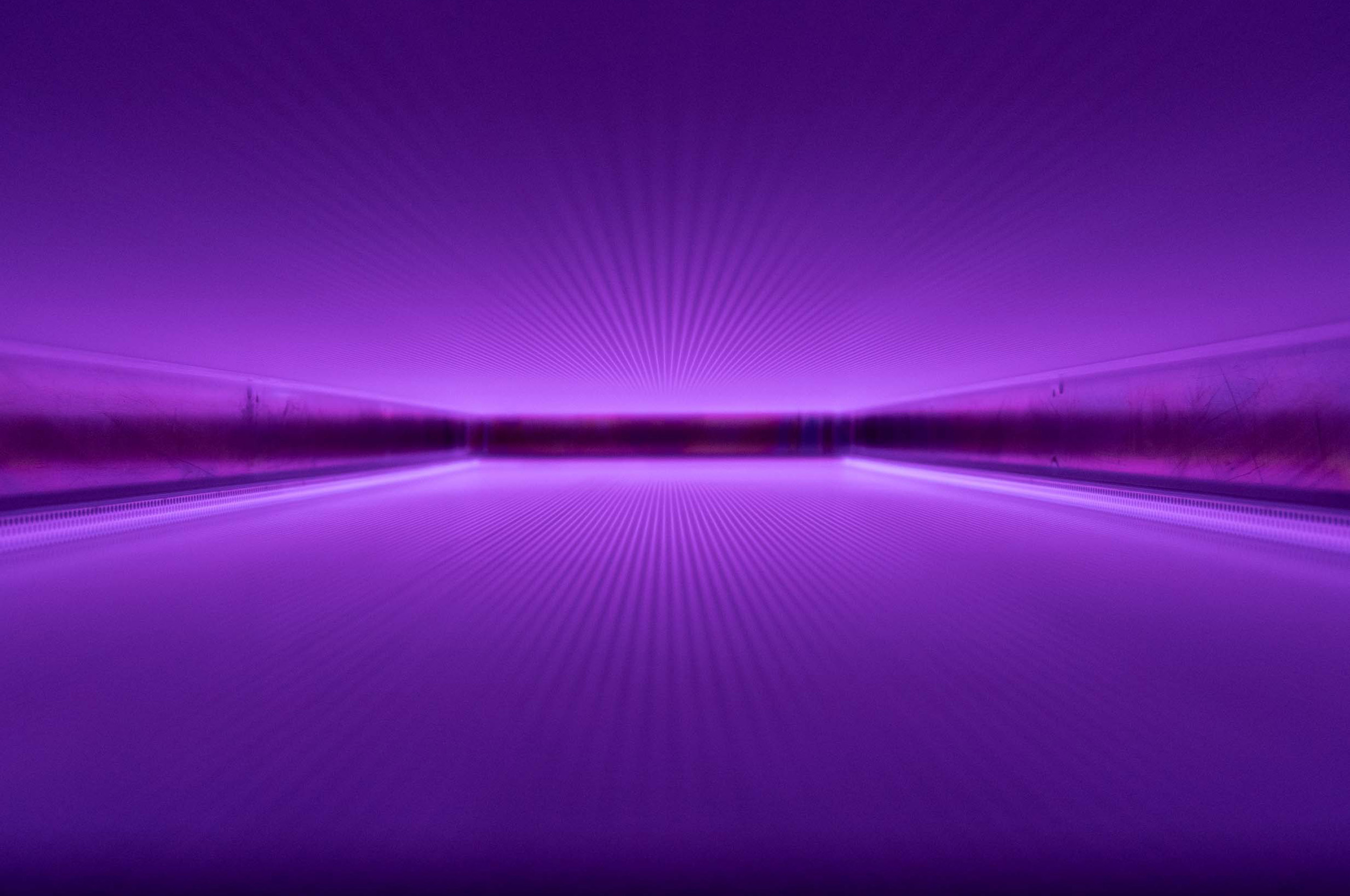
With Diener electronic, companies benefit from a high level of investment security, as the Tetra 100 system can be further developed to meet future requirements. Thanks to the flexible modular system, the choice of single- or multi-stage electrodes for the Tetra 100 plasma system depends on the specific application. For complex, larger components that take up a lot of space in the chamber, an electrode that ensures uniform treatment is recommended. To ensure uniform treatment in every application, multi-tier electrodes or a rotating drum electrode are installed for many small components located on several tiers.
Control
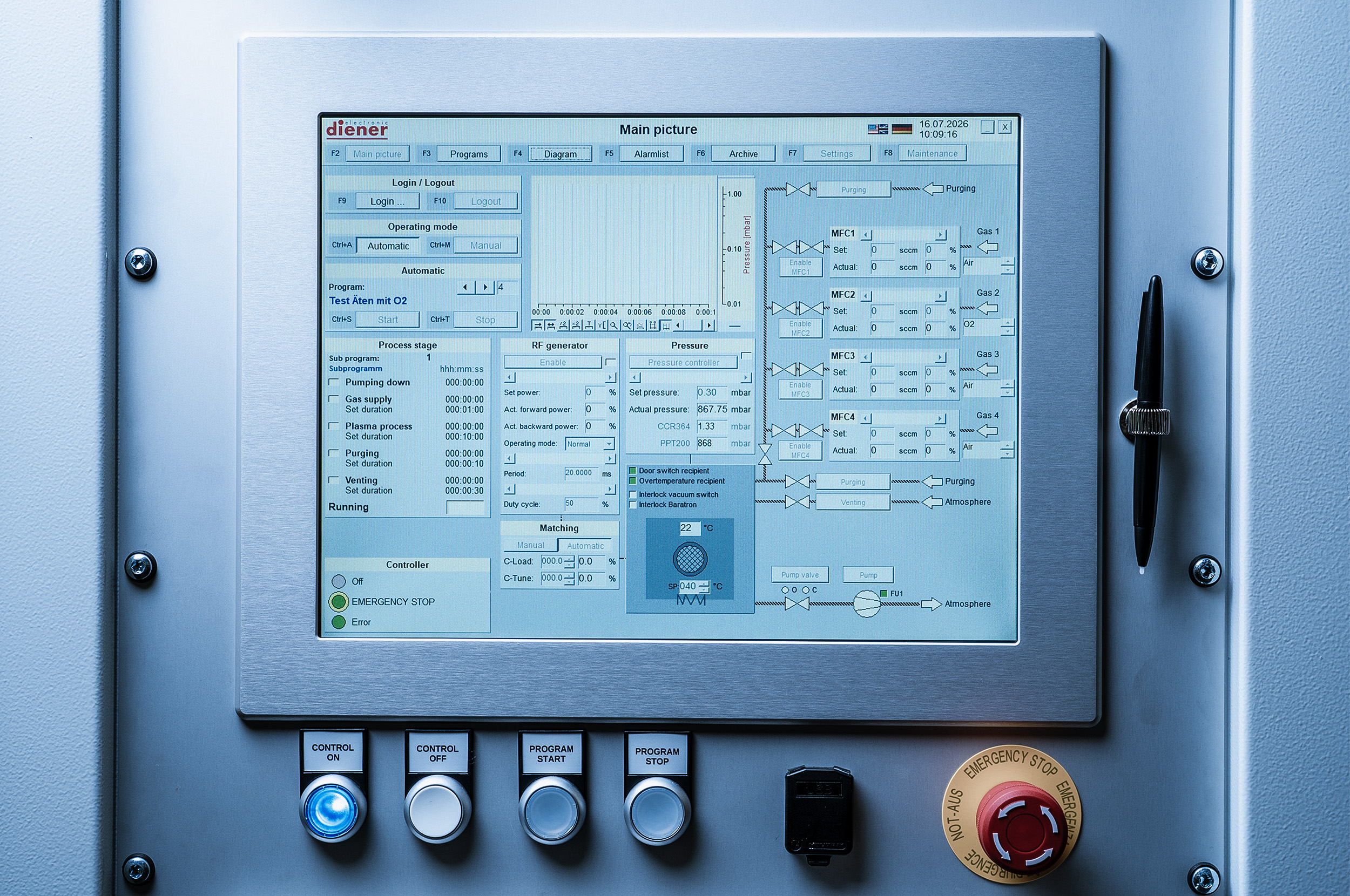
For industrial applications, the control unit is best suited to a simpler, Low Cost or basic PC control system with pre-set processes. The Tetra 100 plasma system can be fitted with a full PC control system for demanding industrial applications. This enables remote diagnostics, network connectivity and the archiving of processes and alarm lists. Process transparency and traceability form the basis for efficient and cost-effective production.
Technical data
Housing dimensions
Standalone
Control unit
Low Cost PC (Windows CE)
Basic PC (Windows CE)
Full PC (Windows 11 IoT Enterprise)
Vacuum chamber
Stainless steel, Hinged door
W 400 mm x H 400 mm x D 625 mm; Volume approx. 100 liters
Aluminium, Hinged door
W 400 mm x H 400 mm x D 625 mm; Volume approx. 100 liters
Optional: Depth variably expandable up to max. 3000 mm
Generator
80.00 kHz | Power output 0 - 1000 W
80.00 kHz | Power output 0 - 3000 W
13.56 MHz | Power output 0 - 300 W
13.56 MHz | Power output 0 - 600 W
13.56 MHz | Power output 0 - 1000 W
2.45 GHz | Power output 0 - 850 W
Gas supply
MFC (Mass flow controller)
Electrode
Single-tier electrode
Multi-tier electrode
RIE electrode
Pressure measurement
Pirani sensor
Capacity pressure gauge
Power supply
400 V | 16 - 125 A
Technical changes reserved.
Get a custom quote for Low-Pressure Plasma Tetra 100?
Start an inquiryOther interesting products
FAQ Frequently Asked Questions
Which surfaces can be activated using the Tetra 100 plasma system?
The Tetra 100 plasma system from Diener electronic can be used to activate the following surfaces: plastics, metals, glass, ceramics and textiles.
Which plastics can be etched?
These processes are used primarily to etch plastic surfaces. Etching is very important for plastics that are difficult to paint or bond, such as POM, PPS and PTFE. The increased surface area results in better adhesive bonding. Typical etching gases include oxygen, fluorine and hydrogen.
How long does an etching last?
When the surface is etched, material is removed and is therefore permanently retained.
How much can be applied using the Tetra 100 system during coating?
The Tetra 100 system from Diener electronic can be used to apply a coating down to the lower micrometre range (< 1 micrometre).
Can textiles be coated?
Diener electronic’s specialised roll-to-roll low-pressure coating system can be used to coat textiles. However, the processing time is not suitable for high-speed production. Textile coatings are generally neither washable nor abrasion-resistant.
Which gases can be used with the Tetra 100?
The following gases can be used in the Tetra 100 and, more generally, in low-pressure plasma: O₂, N₂, Ar, ambient air, CO₂, H₂O vapour and forming gas
Are exhaust air filters required for the Tetra 100?
Yes, all systems must be connected to a proper exhaust system, regardless of the type of gas used. Nitrogen oxides, exhaust gases, fine oil mist (from oil pumps), etc. are produced, which must not be inhaled; furthermore, the gases are often acidic, meaning they accelerate the rusting of surrounding parts, machinery and equipment.
What is the typical process temperature for the Tetra 100 in the vacuum chamber?
With the Tetra 100 from Diener electronic, the temperature is normally between room temperature and approximately 80 °C – depending on the component, chamber type, process time and load quantity. Higher temperatures can be achieved on request from Diener electronic using heating elements.
What is the typical pressure range usually found in the vacuum chamber of the Tetra 100?
The typical pressure range of the Tetra 100 is adjustable from 0.1 to 1.0 mbar, depending on the defined low-pressure plasma process.
What is the frequency of the GHz system Tetra 100?
The generators for the GHz system Tetra 100 operate at an ISM frequency of 2.45 MHz – comparable in intensity to that of a microwave. Please enquire about the safety guidelines for people with pacemakers.
What connectivity options are available for the software control system on the Tetra 100 system?
With its full PC control system, the Tetra 100 plasma system from Diener electronic offers the following connection options, such as:
- higher-level control systems, e.g. via Profinet
- MES systems, e.g. via OPC UA
- Database connection via ODBC
Can plastics be coated using plasma polymerisation?
Plastics can generally be coated quite easily using plasma polymerisation. The Process Development department at Diener electronic will be happy to advise you on whether your specific requirements can be met.
For example, CDs and DVDs can be coated with a scratch-resistant layer without compromising their quality.
PTFE-like coatings can be applied to improve the lubricity of the treated items. Furthermore, it is possible to attach specific functional groups to the plastic surface (e.g. amino groups for bioanalytical applications).
Is it possible to request further specific software features?
Here at Diener electronic, we specialise in customising the software for full PC control to meet your requirements – on request.